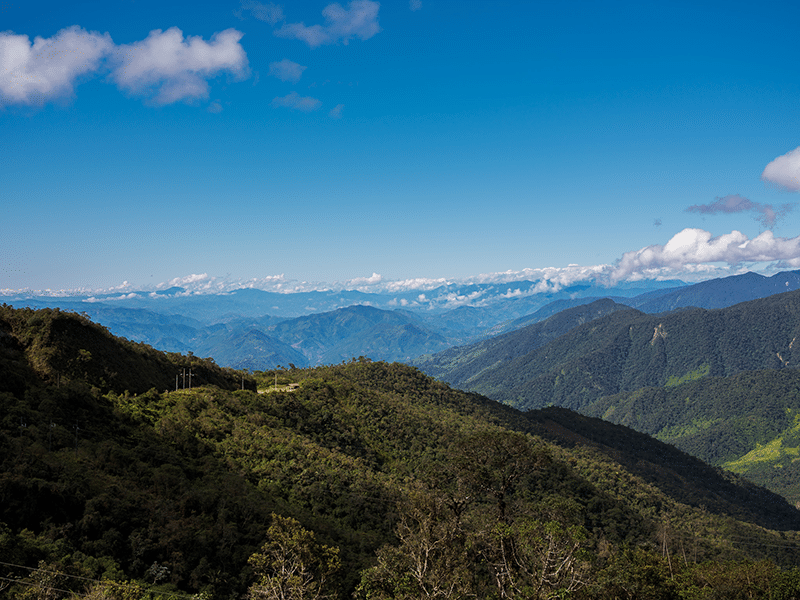
ANDES – High in the Andes, on the border between Ecuador and Peru, flows the Mayo-Chinchipe River. Over 230,000 people depend on it. Climate change is affecting their water supply. In recent years, we have been working with our partners on a solution that goes beyond isolated projects: we have looked at the river as a single entity, from source to mouth.
Interventions at the source that benefit the entire river
If you want to protect a river, you have to start at the source. High up in the mountains lie the páramos: high plateaus covered in mosses and grasses that act like a giant sponge. They absorb rainwater and release it slowly. This ensures that water continues to flow even during dry months.
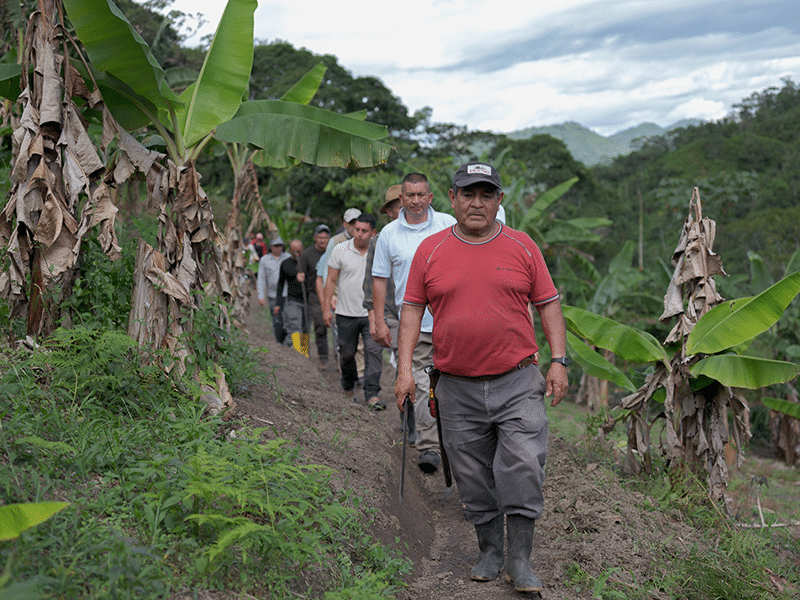
Most people live further down in the valley. They make their living mainly from coffee and livestock. A great deal of forest is being cleared to make way for fields and pastures. As a result, less rainwater seeps into the ground, the soil is washed away and the water becomes polluted. And this is felt by the people living further downstream.
Meanwhile, the climate is changing. Scientists predict that by 2050, rainfall in this region will have fallen by up to 30 per cent. Dry spells are becoming longer, and when it does rain, it often comes down too heavily all at once.
The river pays no heed to the border between Ecuador and Peru. What happens on one side is felt on the other. That is why, in this project, we worked together with partners from both countries: Protos Andes, Naturaleza y Cultura Internacional in Ecuador and Peru, the universities of Loja (Ecuador) and Jaén (Peru), and De Watergroep from Flanders.
Small-scale actions on the ground
At first glance, the project appears to be a list of separate activities. A few examples:
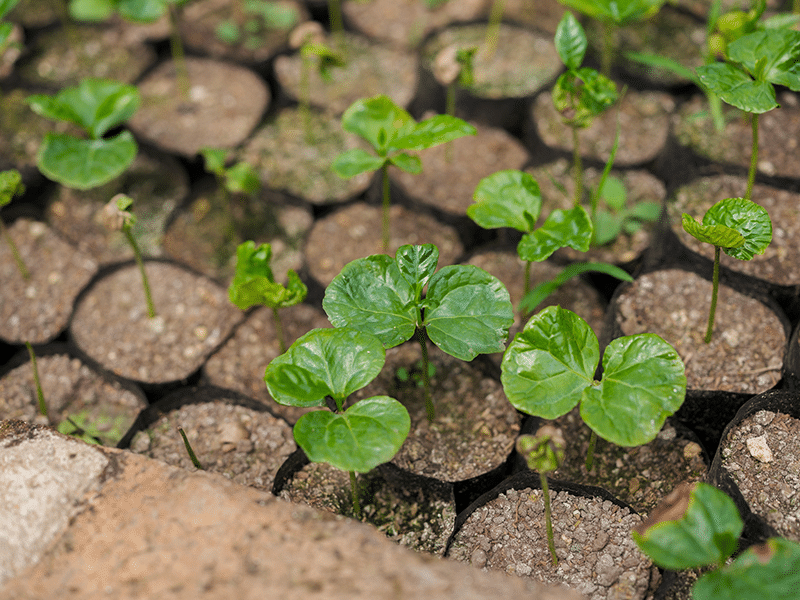
- Tree nurseries. Communities themselves grow thousands of young trees of native species, such as the romerillo, a conifer that grows only in these mountains. They use these to reforest bare slopes and reconnect isolated patches of woodland, so that animals and plants can move about freely once more.
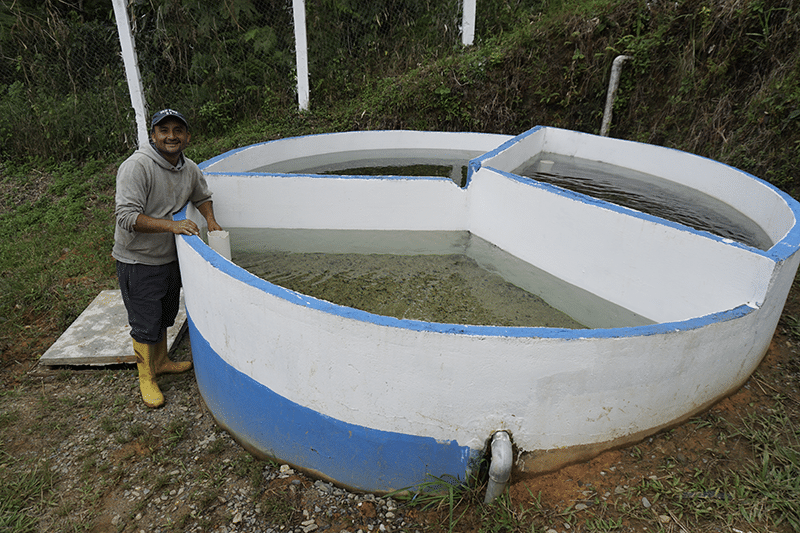
- Protecting water sources. Fences have been erected and trees planted around springs from which villages draw their drinking water. This prevents livestock from polluting the water and ensures the soil around the spring remains moist.
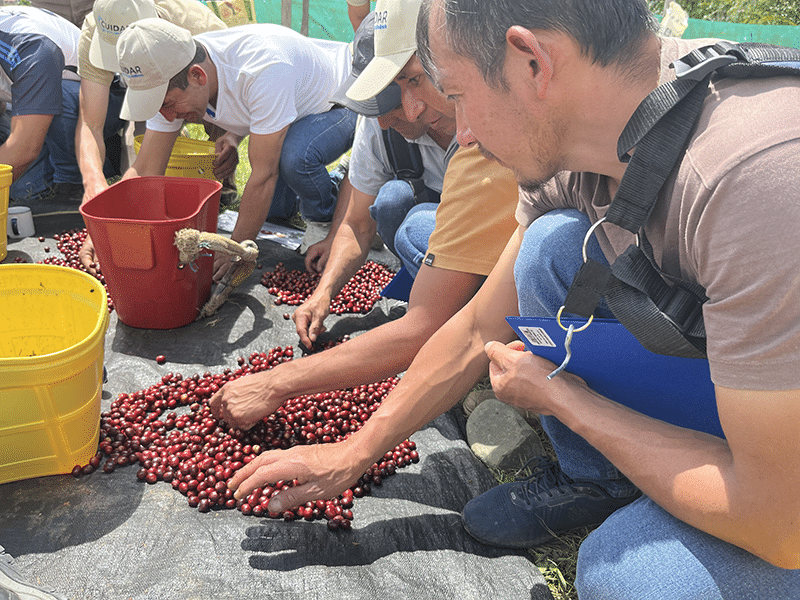
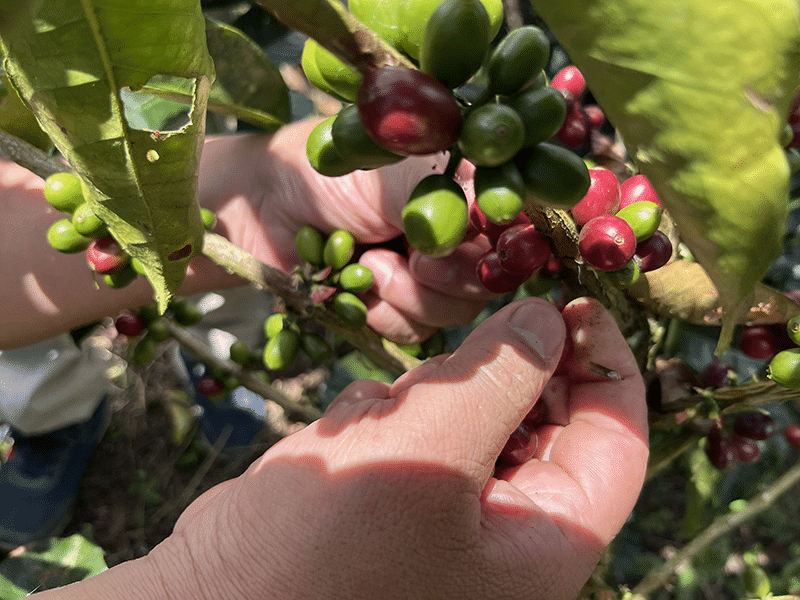
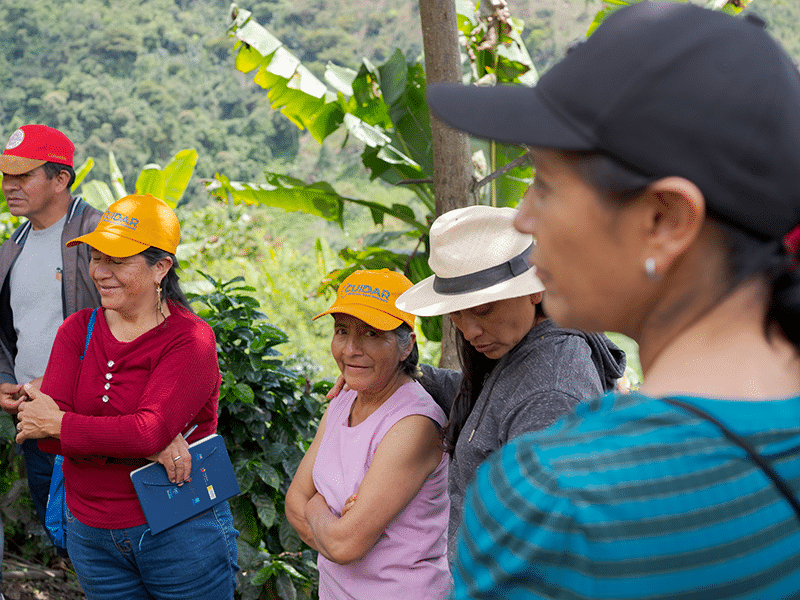
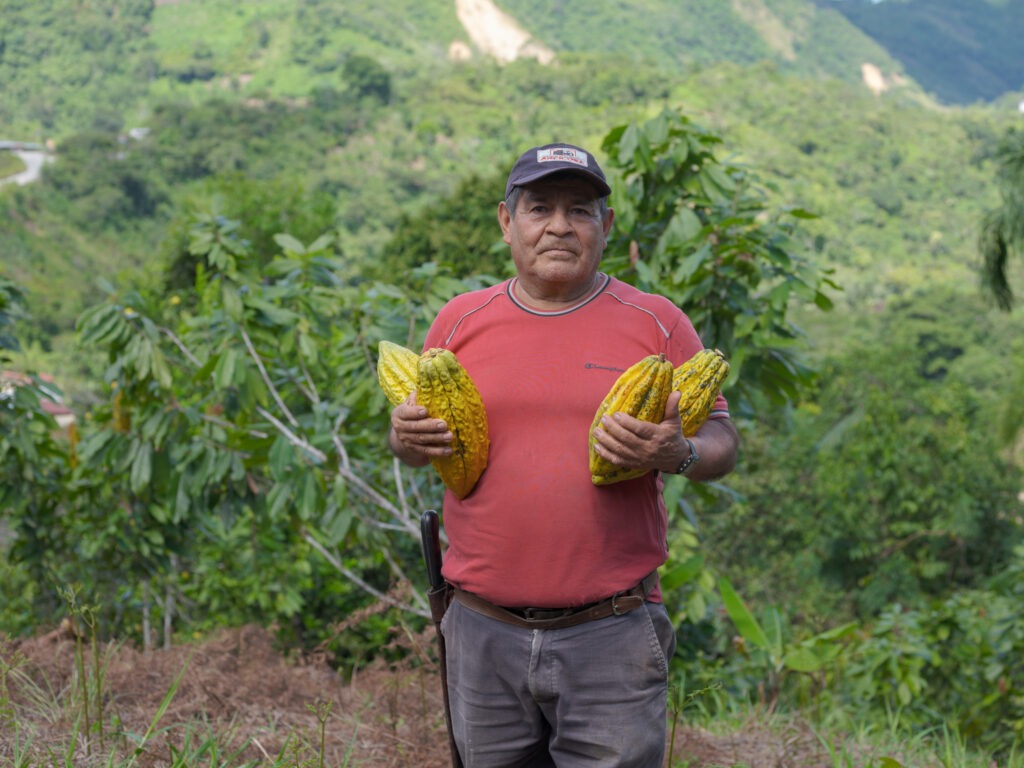
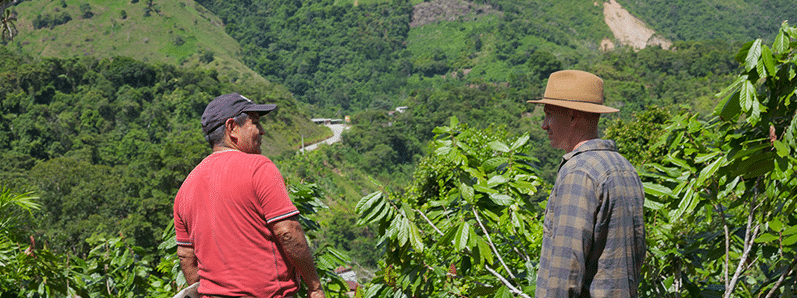
- Agreements with coffee farmers. Farmers and village communities have signed 76 agreements to jointly protect nearly 3,200 hectares of forest and springs. In return, they receive guidance on how to grow coffee in the shade of trees, how to keep bees using native stingless bee species, or how to treat the wastewater from coffee processing rather than discharging it into the stream.
- Collecting rainwater. In the village of La Carpa, 19 families were provided with a rainwater collection tank. This gives them a reserve should there be a prolonged dry spell.
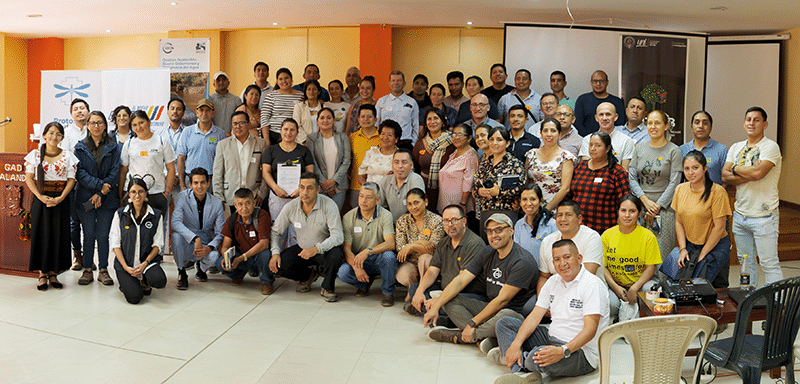
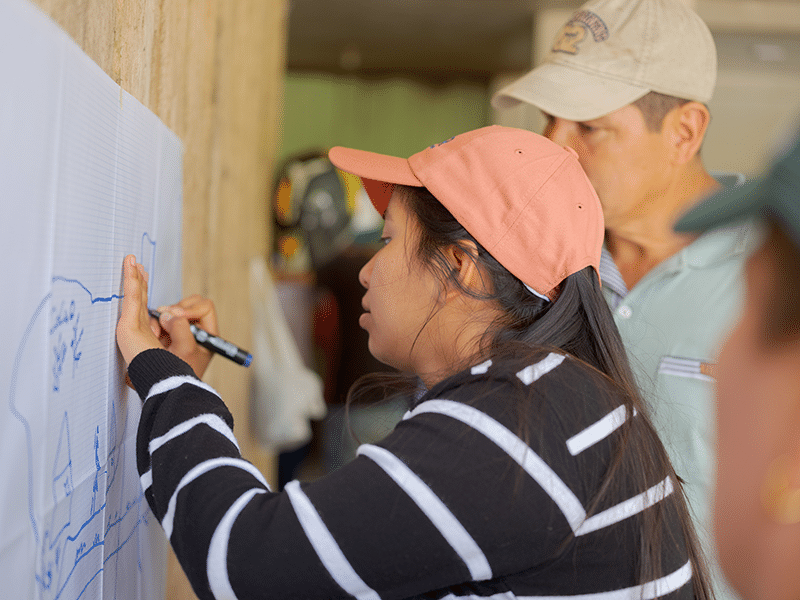
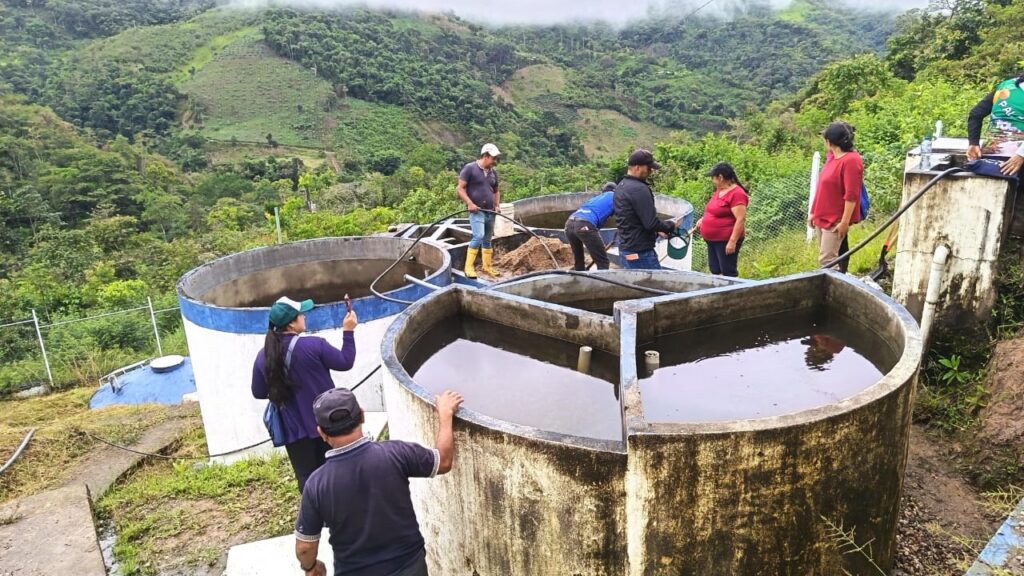
- The Water School. Nearly 200 people attended a training course at our Water School: people who manage their village’s drinking water system, local government officials, women leaders and coffee farmers. They learnt how climate change threatens their water supply and what they can do about it. Nine out of ten participants found the training useful for their own work.
- Around 5,000 people in the catchment area now have access to safe drinking water. In addition, a further 5,000 people received support for coffee cultivation, family gardens, small livestock rearing and other activities that boost their income. We paid particular attention to the position of women, ensuring that they not only had access to these benefits but also had a say in decisions regarding their use.