


MALI – Nature conservation is based not only on scientific insights, but also on the centuries-old experiences of communities that live in close contact with their environment. This is what we learn from a special place in Mali: the sacred pool of Mountougoula.
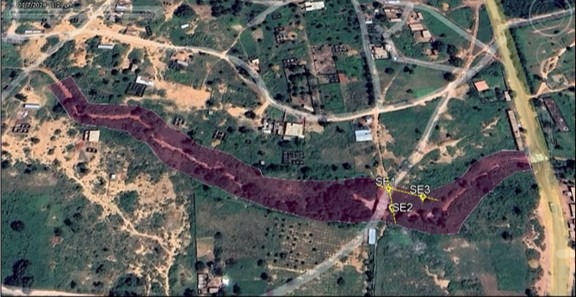
A few kilometres from Bamako, in the rural commune of Mountougoula in Mali, lies the sacred pool of Mountougoula. This pool is much more than a water reservoir. It forms a living heritage in which nature, culture and community have been intertwined for generations.
For the local people, the pool is a place of remembrance and spirituality. At the same time, it provides vital ecosystem services: it supports local biodiversity, helps retain water in the landscape and makes the environment more resilient in times of drought and climate change.
Balance under threat
Today, however, this valuable ecosystem is under pressure. Changing weather conditions, growing pressure on natural resources and shifting land-use patterns are increasingly threatening the natural balance. To better understand the risks and potential interventions, Join For Water supported a scientific study by the ENI-ABT institute.
The study mapped the hydrological, hydrogeological and hydrochemical characteristics of the pool and assessed its vulnerability. The results should help all stakeholders to make informed decisions and prioritise the protection of wetlands.
A pool that sustains human life and nature
Discussions with villagers reveal just how deeply the pool is rooted in the history of Mountougoula. According to the village elders, it existed even before the village itself was founded. In the past, the water level was higher, the vegetation was more abundant, and the pool was home to a wide variety of animals, including crocodiles and various species of fish.
Traditional rules played an important role. Rituals and offerings strengthened the bond between the community and the pool, whilst certain activities were prohibited to protect the ecosystem. For example, fish from the pool were not allowed to be caught or eaten.
Village chief M. Sassi Doumbia emphasises the importance of these traditions:

“We have inherited this pool from our ancestors, and it occupies an important place within our customs and traditions. In the past, there were various rules governing the use of the pool. Whenever someone broke those rules, we intervened immediately.”
This local knowledge remains a significant asset to this day. It demonstrates that nature conservation is based not only on scientific insights, but also on the centuries-old experiences of communities living in close contact with their environment.
 “To ensure the pond’s survival, we felt it was important to strengthen the role of traditional leaders, so that they can fully assume their role as spiritual and ecological guardians of the pond, alongside the efforts of the local council and other stakeholders.”
 “Climate change poses a threat that is not directly caused by human activities here on the ground. However, measures are needed to mitigate or limit its effects.”