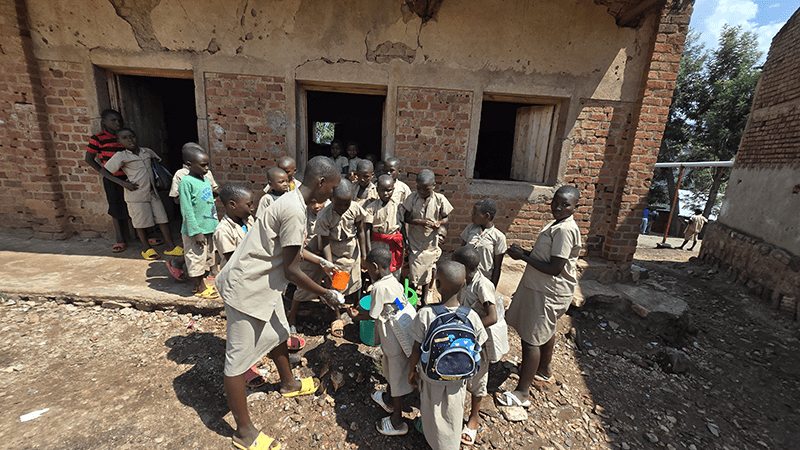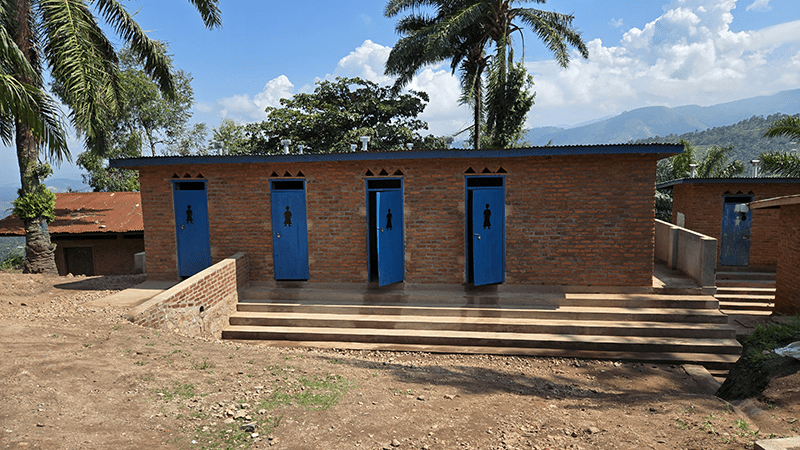
BURUNDI – Just a few toilets for 2,600 pupils … that’s a recipe for long queues, poor hygiene and sometimes even faeces on the grounds around the school. The situation at Muberure I and II primary schools in the municipality of Benga, Burundi, was untenable. The number of pupils at these schools had grown too large for the available sanitary facilities. The latrines were outdated and completely inadequate.
Today, two new blocks with eco-toilets and a connection to drinking water are changing that. But the Join For Water project is about more than just new infrastructure. It combines sanitation, hygiene, local involvement and the reuse of raw materials in an approach designed to work in the long term.
When too many pupils share too few toilets
Muberure I and II serve a rapidly growing school population. According to the schools, increasing population pressure and migration towards the area have contributed to rising pupil numbers. For the 2026–2027 school year, the two schools expect around 2,600 pupils.
Before the project, the existing toilets were old and insufficient. Pupils sometimes had to wait a long time to use them, disrupting lessons. Open defecation around the schools also caused hygiene problems, unpleasant odours and tensions with neighbouring residents.
The challenge was therefore not simply to build more toilets, but to create a safer and more sustainable sanitation system that the schools and surrounding community could manage over time.
Ecological sanitation: looking beyond the toilet
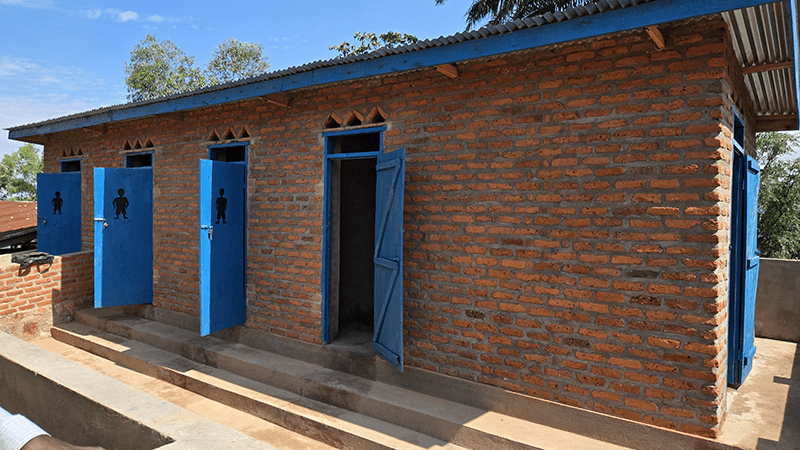
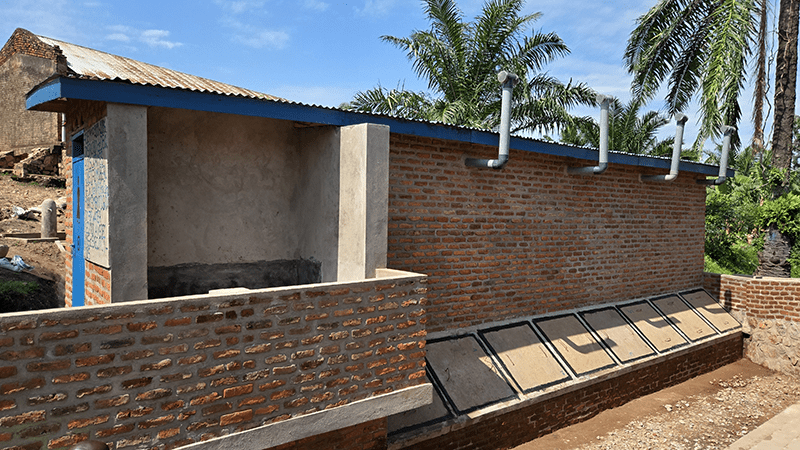
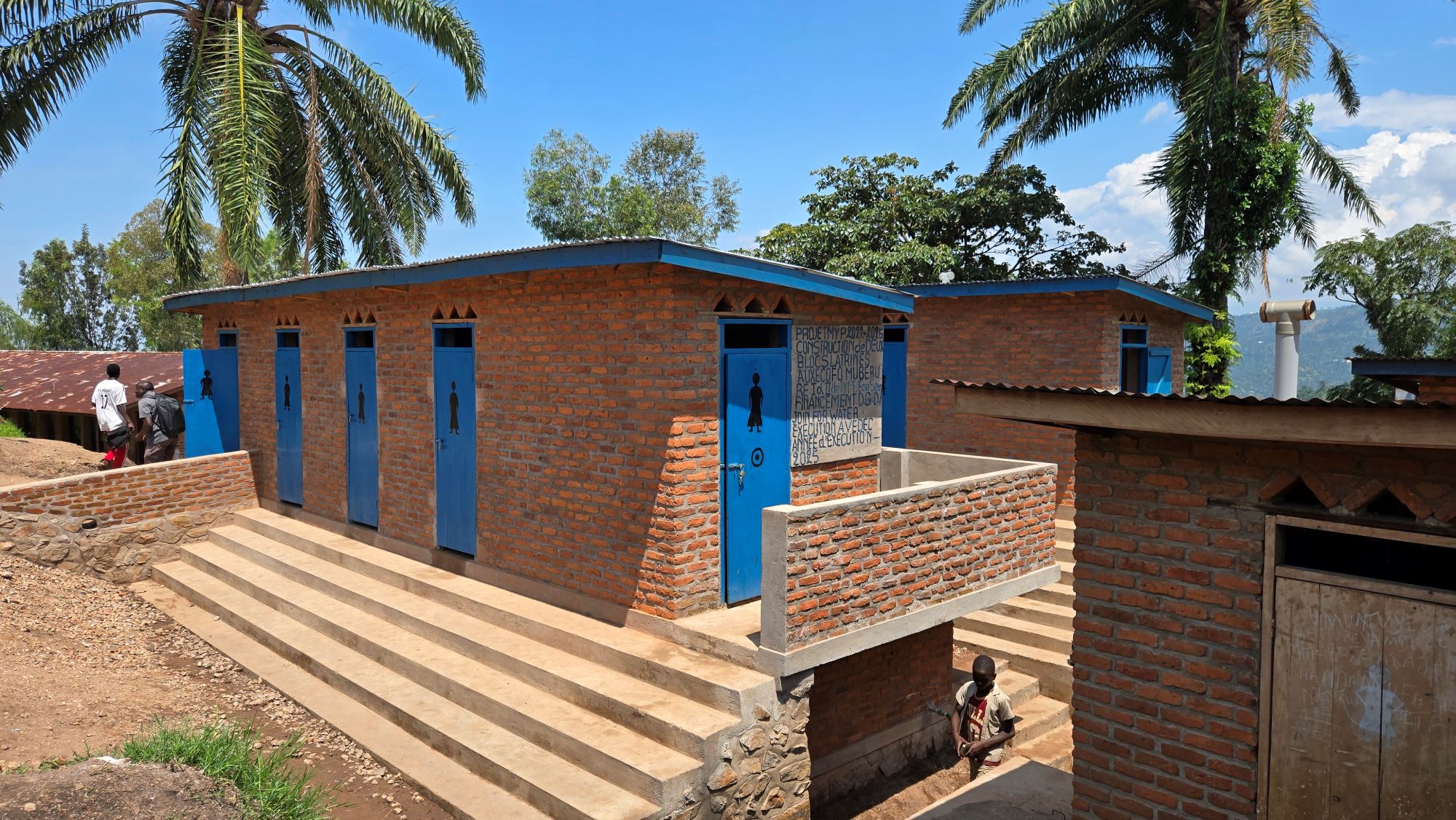
With support from Join For Water and DGD, and in partnership with local organisation AVEDEC, two ecological sanitation blocks were constructed, each with four toilets. The facilities also include a care room for girls and a urinal for boys.
The schools were connected to the Kiyenzi drinking water supply, improving access to water alongside sanitation.
The ecological toilets, or Ecosan facilities, add another dimension. Rather than treating human waste only as something to dispose of, Ecosan makes it possible for sanitised urine and faeces to be reused as resources.
The schools plan to use these by-products for vegetable cultivation. They are also exploring possibilities to generate income through the vegetables and sanitised Ecosan products. In this way, sanitation can contribute not only to better hygiene, but also to a more circular use of resources.
Infrastructure works when people make it work
Building the facilities was only one part of the process.
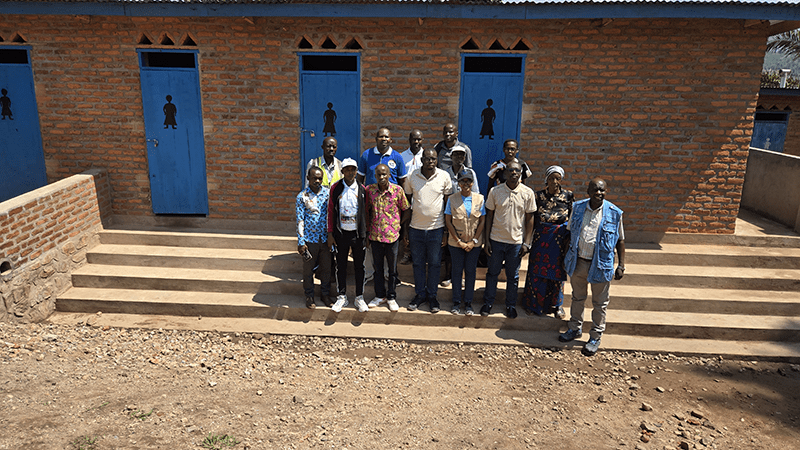
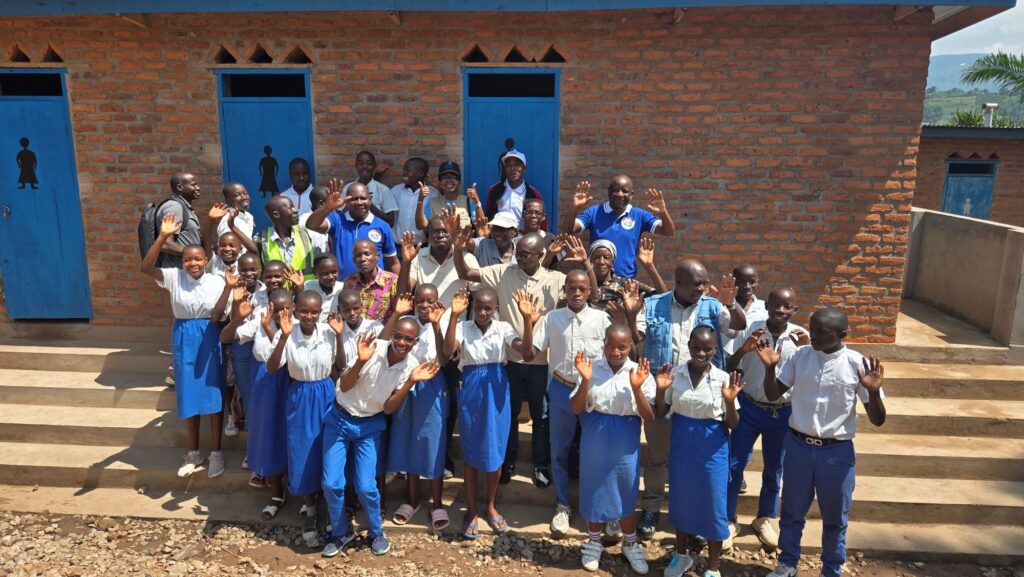
The schools and wider community made a substantial contribution themselves. A total of 60,000 bricks were mobilised for the construction: 37,000 by Muberure I and II and another 23,000 by people originating from the area and members of the diaspora. Summer work camps helped bring the bricks to the construction site.
Cooperation between the schools, local authorities, families and other actors continued throughout the different stages of the project.
That local involvement is important for what happens after construction. Sustainable sanitation depends on facilities being properly used, maintained and integrated into everyday school life.
Learning new habits
Teachers responsible for hygiene and sanitation now provide regular follow-up with pupils. Students receive information on hygiene and sanitation, the use and management of ecological toilets and related topics.
School committees and hygiene clubs involve pupils themselves. Adolescent girls also receive guidance on menstrual hygiene management.
These activities are intended to turn new infrastructure into lasting changes in behaviour and practices.
The work is not finished
The new facilities have improved the situation, but growing pupil numbers continue to put pressure on the schools.
With around 2,600 pupils expected at Muberure I and II in the 2026–2027 school year, the schools identify additional sanitation facilities and hygiene materials among their remaining needs. They would like to construct two further ecological toilet blocks, each with eight toilets, alongside facilities for boys and care rooms for girls.
The experience at Muberure I and II therefore shows both what ecological sanitation can achieve and why infrastructure alone is not enough.
A sustainable sanitation system brings together access to water, appropriate infrastructure, hygiene practices, local ownership and long-term management. When those elements reinforce each other, a toilet becomes much more than a building: it becomes part of a system that helps a school and its community manage water and resources more sustainably.
More on AVEDEC