Donate
close

What residents living along the Mpanga teach us about climate adaptation, and why their voices must also be heard in Antalya

What does a river in Uganda have to do with the climate summit?

November 10, 2026

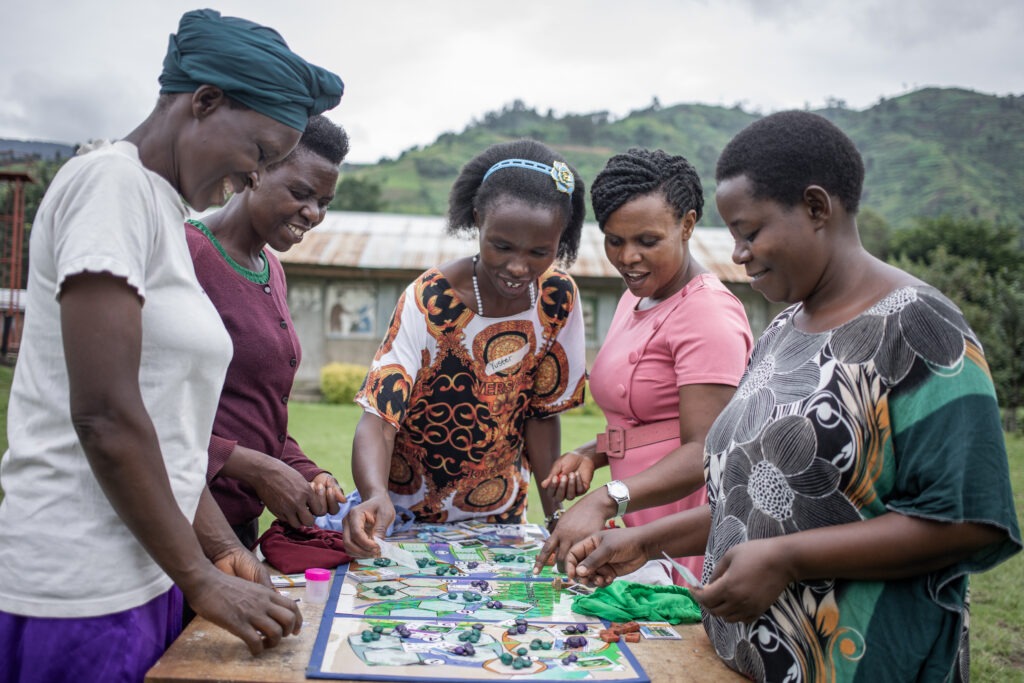
Local residents are gathered round a board game: on the game board lies their own river. (c) Joseph Muhumuza

A climate summit in Turkey seems a long way off from a riverbank in western Uganda. Yet that is where the story begins that Join For Water is taking to COP31 in Antalya.

On the banks of the Mpanga – the river that flows from the Rwenzori Mountains past Fort Portal to Lake George – farmers, fishermen and local residents are gathered round a board game. It is called the Mpan’game. On the game board lies their own river: the marshes that retain water, the banks damaged by livestock, the spots where rubbish accumulates.

Those who play the game contribute ideas for solutions. It is not a government department making top-down decisions, but people who make their living from the river and decide together what needs to be done first.

It’s a small snapshot. But it sums up what climate adaptation is really about.


Does it actually make a difference?

Why would a water organisation with limited resources travel to a climate summit in Antalya? We’re sometimes asked that question. Climate summits are big, expensive and often excruciatingly slow.

Our answer centres on equity and funding. Because in Antalya, decisions are being made that will shape how the world will soon assess whether countries are better able to adapt to climate change. What isn’t reflected in international climate targets also risks being overlooked when it comes to funding.


What counts as climate adaptation?

Last year, at COP30 in Belém, a set of 59 voluntary indicators was adopted to measure how countries are adapting to climate change. Water is given its own place within this framework. However, the indicators are still the subject of debate. Their further elaboration is on the agenda for COP31.

That may seem technical, but the consequences are very concrete.

If we measure climate adaptation solely on the basis of new taps, pipes or other infrastructure, much important work remains unseen. Think of restored wetlands that retain water, communities protecting their rivers, or local water committees making joint decisions on management.

It is precisely these efforts that make people and ecosystems more resilient to droughts and floods. They deserve recognition in climate policy as well as access to funding.

At previous climate summits, Join For Water also advocated for water and healthy ecosystems to be given a fully-fledged place in international climate policy. Discussions on how countries measure their progress are not yet concluded. In Antalya, we therefore want to go a step further: to ensure that the experiences of local communities also find their way into national adaptation plans and international agreements.
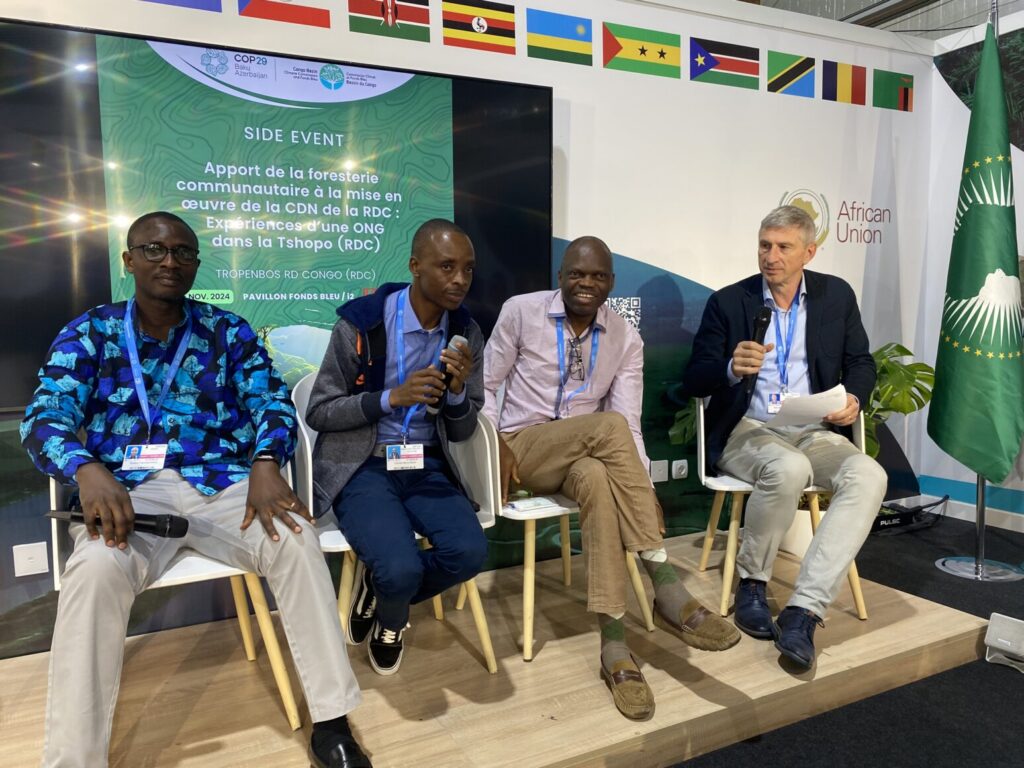
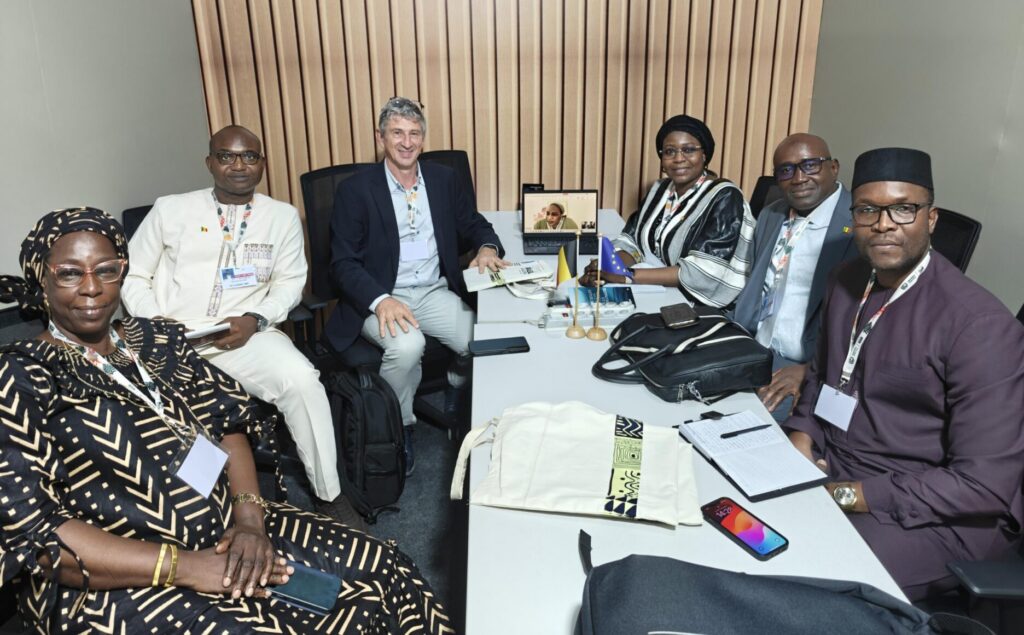
COP29 in Baku, Azerbaijan (2024) (left), and COP30 in Belém, Brazil (2025)


From the Andes to West Africa

On the other side of the world, too, we see just how important cooperation on water issues is.

The river known as the Mayo in Ecuador and the Chinchipe in Peru connects communities across national borders. The river basin is under pressure from deforestation, mining and extreme weather.

In 2022, 97 representatives from water committees, local communities and other stakeholders signed an agreement on the joint management of their river. Half of them were women. A number of those women continued to work together and now call themselves cuidadoras: guardians of the catchment area. Meanwhile, drinking water systems are being restored and the initiative for a joint water fund is gaining momentum.

In Benin, communities are working with our partner Eco-Bénin to restore the landscape of the Mono Plain. By planting trees and shrubs on agricultural land, they are helping to retain water and combat erosion.

These are different initiatives, but they are all based on the same principle: healthy ecosystems and the involvement of local communities are essential for tackling climate change.


From local solutions to international policy

What does this mean for the negotiations in Antalya?

Countries are working on national adaptation plans: strategies to prepare for the impacts of climate change. In these plans, they identify which challenges are priorities and what measures are needed.

Join For Water wants such plans to look beyond technical infrastructure. The restoration of rivers and wetlands, sustainable water management, and the knowledge and voice of local communities must also be given their rightful place.

That is why our partners in Uganda, Benin and Ecuador are carrying out policy analyses. They are investigating the problems communities face, where policy falls short, and how their experiences can be better reflected in national plans.

We will take these insights with us to Antalya. Together with the Climate Coalition, through our contacts with the Belgian delegation and during activities in the water pavilion, we aim to highlight three key messages:

  • Healthy ecosystems are an essential part of climate adaptation. Rivers, forests and wetlands protect people from the effects of drought and flooding.
  • Local communities must have a say in decision-making. Their knowledge, experience and involvement make solutions more sustainable.
  • Climate finance must also support this approach. Not only infrastructure, but also nature restoration and local water management deserve investment.


Not the end point

Antalya is a stop along the way. Next up, in December, is the UN Water Conference in Abu Dhabi. And in 2027, COP32 will take place in Ethiopia, on African soil. The choices made today will have an impact there too.

So we are not going to Antalya just to be there. We want the experiences and proposals of people such as the residents around the Mpanga to be taken into account in international climate decisions.

Because climate justice begins with water justice.


Read more