Donate
close

A key role for cocoa

July 25, 2026

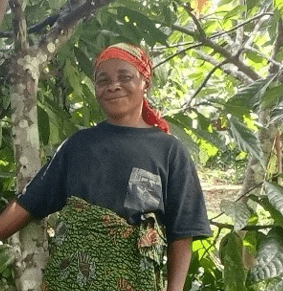
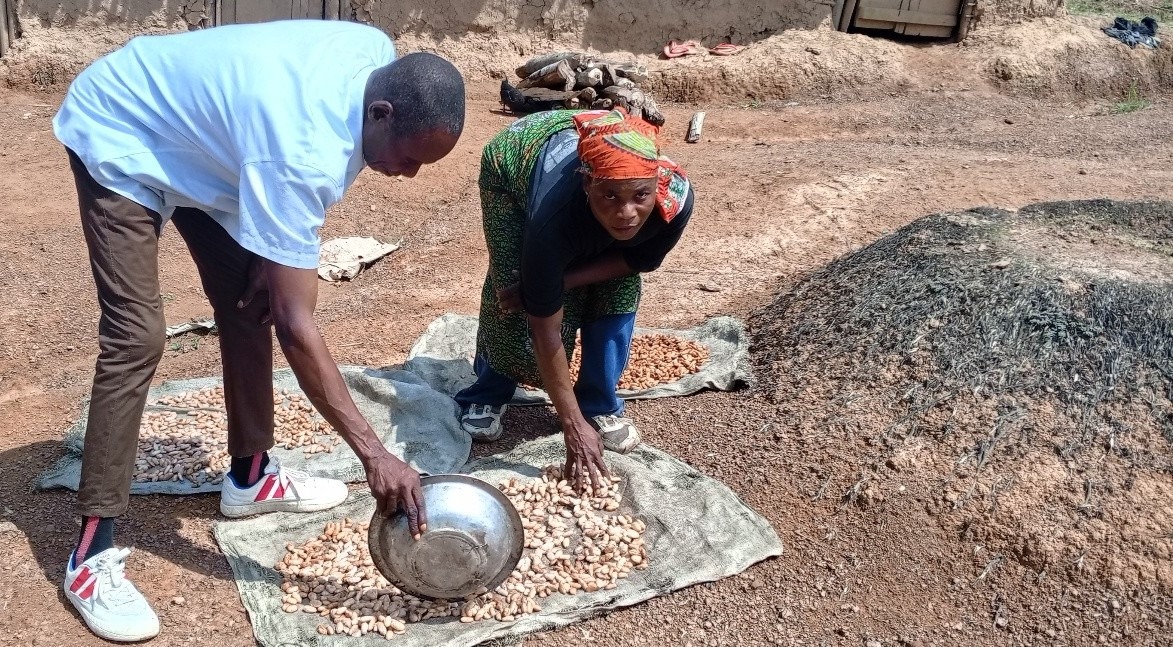
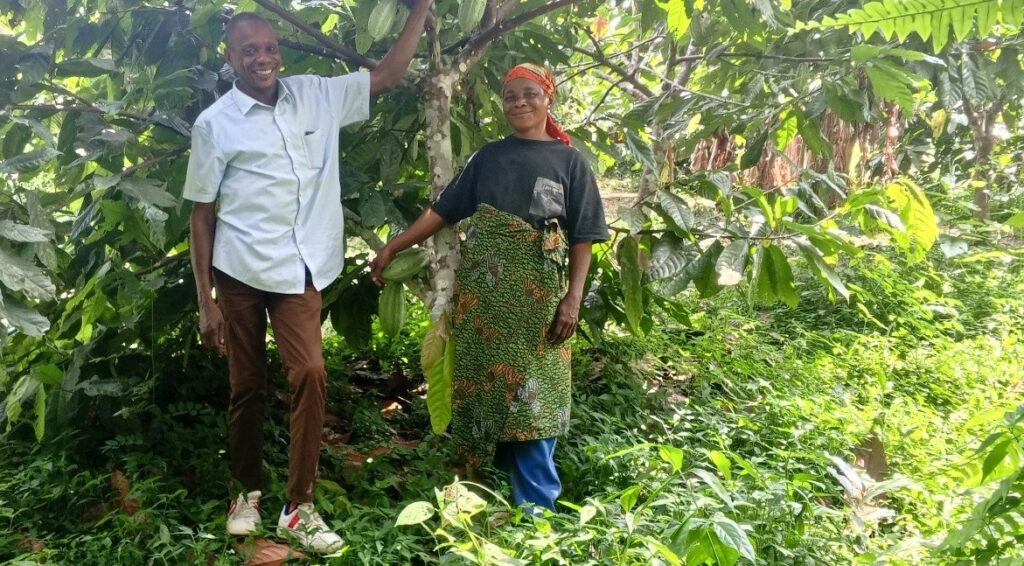
The TAMIM SHABANI family in Bafwapada is noticing the difference in their income. (c) Destin Itunda - Join For Water

DR Congo – Join For Water is introducing more agro-ecological practices in Tshopo province that benefit not only agriculture itself, but also the natural environment and the local population. Its partners in this initiative are BOS+ and Tropenbos.

An agro-ecological revolution in Central Africa

For years, the oil palm was the main economic driver of many rural areas in Central Africa. Cultivating oil palm provided farmers with a relatively quick income and supplied raw materials for the food and cosmetics industries. Today, however, that era seems to be gradually coming to an end. A new generation of farmers is increasingly opting for cocoa – not in large-scale monocultures, but as part of agro-ecological farming systems that link nature and production.

This shift means much more than a change of crop. It represents a profound ecological, economic and social transition that is reshaping the future of rural communities.

The oil palm is losing its dominant position

Following the decline of other export crops, such as rubber, the oil palm became one of the most important perennial crops in several countries in Central Africa. However, the sector is increasingly having to contend with structural problems:

  • depleted soils and declining fertility,
  • diseases, such as palm wilt, are leading to lower yields,
  • fluctuating world market prices are making it difficult for small-scale producers to maintain a stable income.

Added to this is the fact that the environmental impact of large-scale palm oil production is under scrutiny. Deforestation and the loss of biodiversity have tarnished the sector’s reputation, whilst ageing plantations are becoming increasingly unprofitable.

In countries such as the Democratic Republic of the Congo, this is leading to a decline in interest among young farmers. Whereas the oil palm once symbolised progress and prosperity, more and more farmers are now looking for more sustainable alternatives.

Cocoa as the driving force behind a new vision for agriculture

At the same time, cocoa is rapidly gaining in importance. However, this does not refer to traditional monoculture cocoa plantations. The growth is mainly in agroecological cocoa cultivation, in which cocoa trees are combined with other crops and shade trees.

This approach creates an agricultural system that not only produces crops but also restores ecosystems.
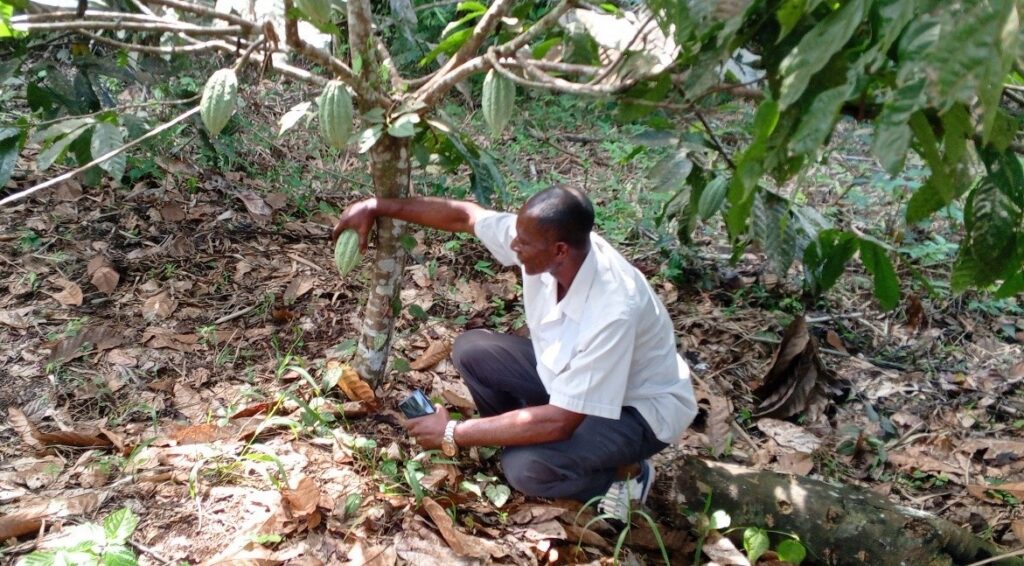
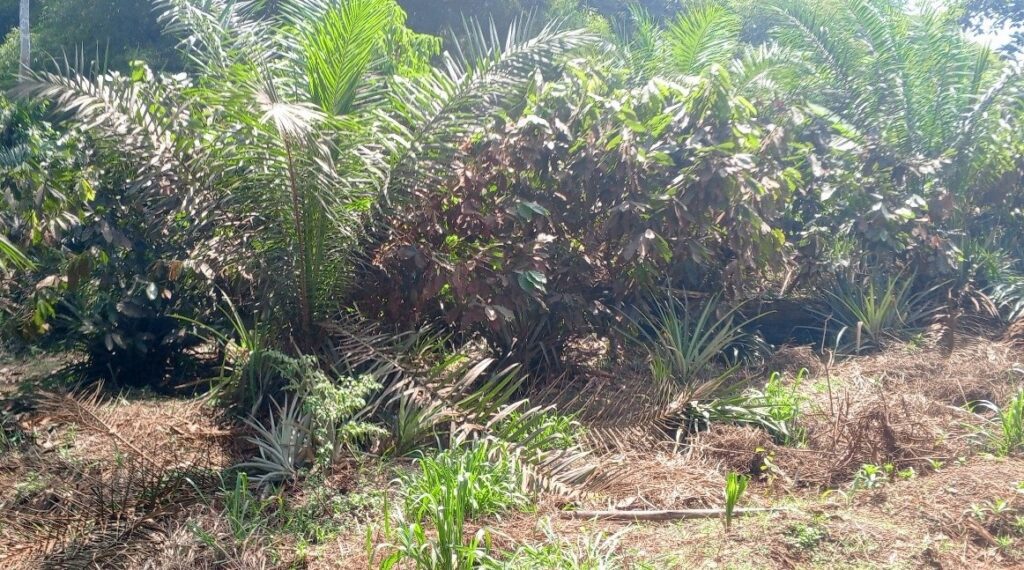
DR Congo cacaoteelt

Testimonial

Three years ago, I could never have imagined that cocoa farming would become my family’s main source of income. I’ve only planted half a hectare, but what it brings me today exceeds anything I’ve ever experienced: more than 400,000 Congolese francs a month (165 dollars). At the time of my first harvest, I harvested 30 kg of dry beans, but today I produce around 50 kg. From now on, I’ll be planting cocoa on all my fields and fallow land.

The TAMIM SHABANI family – Bafwapada

Healthier soils and greater biodiversity

Agroforestry systems incorporating cocoa offer numerous ecological benefits. By combining different tree and plant species, the soil is better protected and enriched. The presence of shade trees also helps to retain water and moderate extreme temperatures.

These systems contribute to:

  • the restoration of soil fertility;
  • greater biodiversity in agricultural areas;
  • reduced reliance on chemical fertilisers and pesticides;
  • increased carbon sequestration;
  • greater resilience to drought and heavy rainfall.

Many farmers are rediscovering traditional techniques, such as improved fallow practices, the use of trees that fix nitrogen in the soil, and the integration of local tree species into their plots.

A more resilient and profitable business model

In addition to the ecological benefits, agroecological cocoa cultivation also offers economic opportunities.

Unlike oil palm plantations, which often require substantial investment, a diverse agricultural system provides multiple sources of income. Farmers can not only sell cocoa, but also produce fruit, timber, medicinal plants or honey.

This diversification reduces financial risks when a single product underperforms or when extreme weather conditions affect yields.

Furthermore, global demand for sustainable cocoa is on the rise.

A change that goes beyond agriculture

The shift towards agroecological cocoa farming is not only visible in the fields. A great deal is also changing within the communities themselves.

More and more ageing oil palm plantations are being converted into cocoa-forest systems. Young people are showing a growing interest in sustainable farming techniques and are undertaking training courses on composting, natural pest control, shade management and the use of local seeds.

For many communities, this also means a revaluation of local knowledge and natural resources.

The transition from oil palm to agroecological cocoa marks a significant turning point for agriculture in Central Africa.

This development symbolises:

  • the end of an extractive model based on monoculture;
  • the rise of regenerative agriculture that strengthens ecosystems;
  • a new vision for rural development, focused on sustainability and resilience.

Aging oil palm plantations seem to represent the end of an economic era, whilst young cocoa trees may well herald the beginning of a new future. A future in which agriculture not only provides food and income, but also contributes to healthy soils, rich biodiversity and strong rural communities.

(c) Pictures: Destin Itunda – Join For Water

DRC-Cacao Bafwasende