
The Mpanga River rises in the Rwenzori Mountains, flows past the town of Fort Portal and empties into Lake George. The Semliki rises in DR Congo, partly marks the border with Uganda and flows into Lake Albert. The catchment areas are located next to each other, in western Uganda. Agriculture has disastrous consequences for nature: […]
Read More…

Northwest Haiti is an extremely dry region. We work in the catchments of three rivers: the Denisse, the Catinette and the Moustiques. Nature in this region has been severely affected and requires a major boost to reverse the current downward spiral. The population is growing, and with it the need for sufficient food. More and […]
Read More…
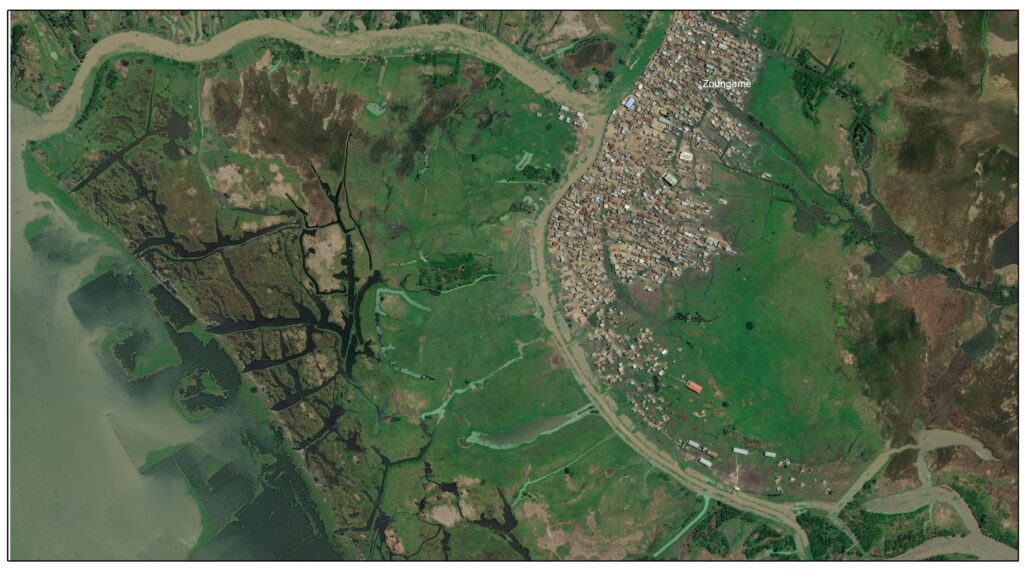
In the south of Benin, we work in two catchment areas: the Ouémé and the Mono. These rivers are vital water resources for thousands of people. They are both surrounded by a natural wonder: the mangroves. Mangroves consist of shrubs and trees with prominent roots protruding above the river water. Found in coastal areas and […]
Read More…
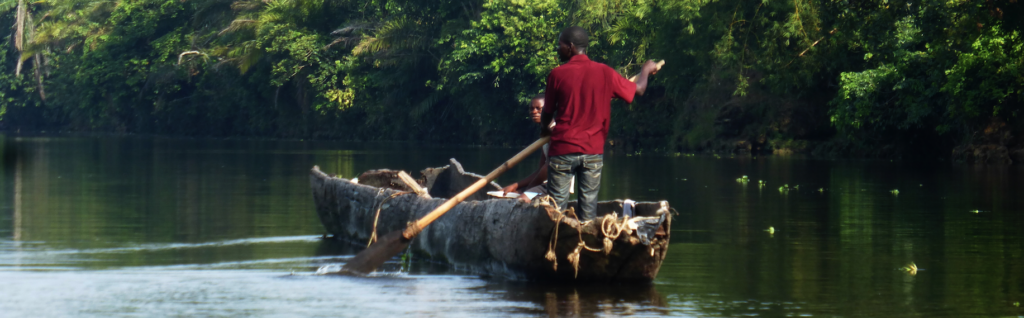
The province of Tshopo is located centrally in the north of DR Congo. We are active in a large area in Bafwasende (an administrative part of the province) where numerous tributaries of the Congo River flow. One of these is the Tshopo River, which is important for the drinking water supply in the large city […]
Read More…
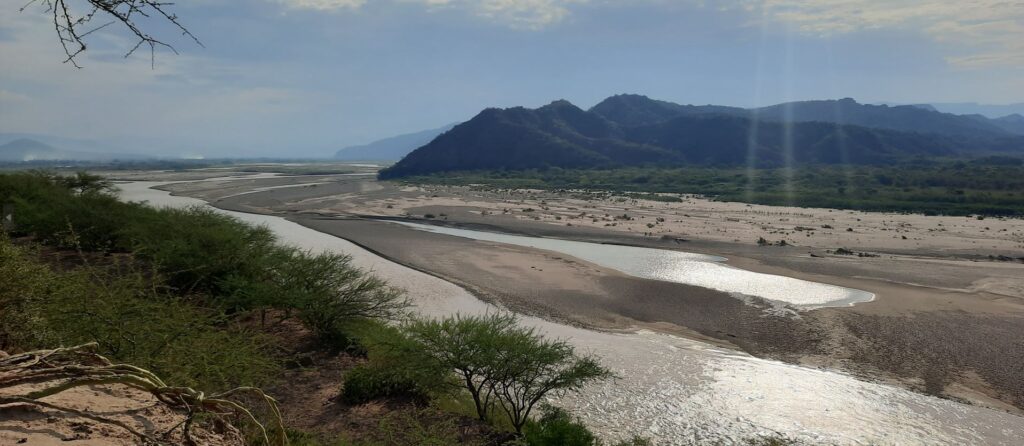
The catchment of the river Mayo-Chinchipe is located on the border between Ecuador and Peru. This river rises in Ecuador, in the Andes Mountains, and flows through páramo, a tropical wetland ecosystem at high altitude. Then it runs through forests before flowing into the tropical rainforest in the 6,400-kilometre-long Amazon. That makes the Mayo-Chinchipe a […]
Read More…
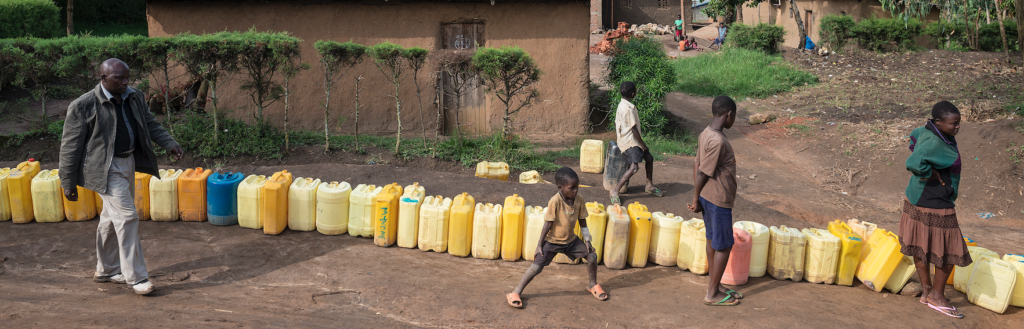
Bunia is located in the province of Ituri in northeastern DR Congo, a region that has been ravaged for years by extreme violence by armed militias. Like in many other cities, the population of Bunia is growing rapidly. The families are abundant, but there is also a massive influx of refugees from surrounding villages seeking […]
Read More…
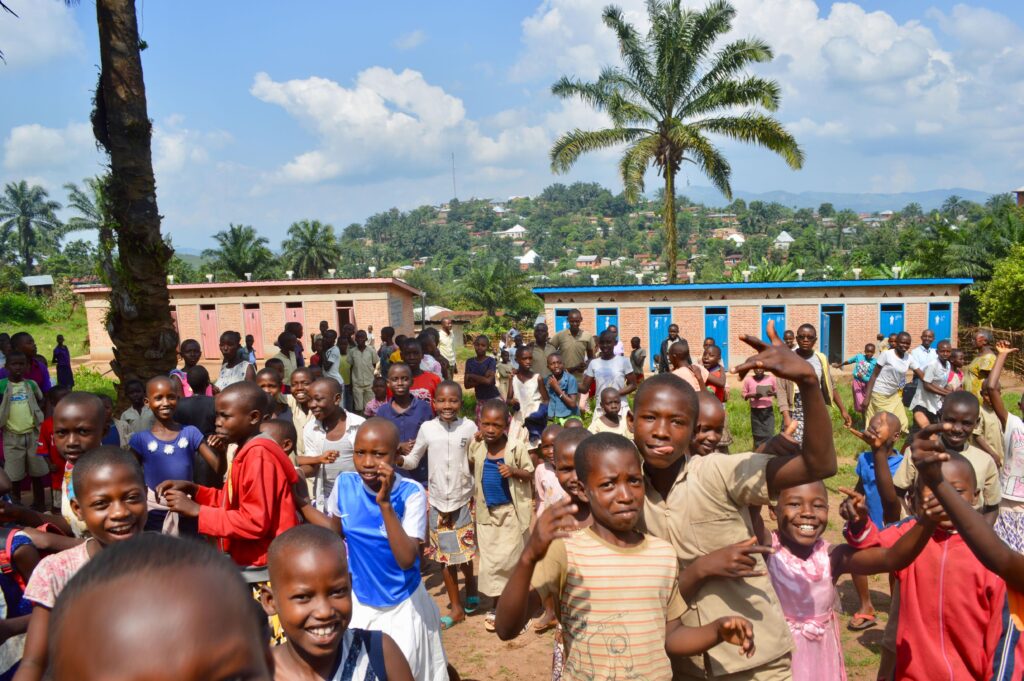
Join For Water works in Burundi in the municipalities of Bubanza and Isare, two source areas for rivers that flow to the capital Bujumbura and Lake Tanganjika. The Burundian population is highly dependent on subsistence farming. As a result, more and more forest areas and wetlands are disappearing. Together with climate change and population growth, […]
Read More…
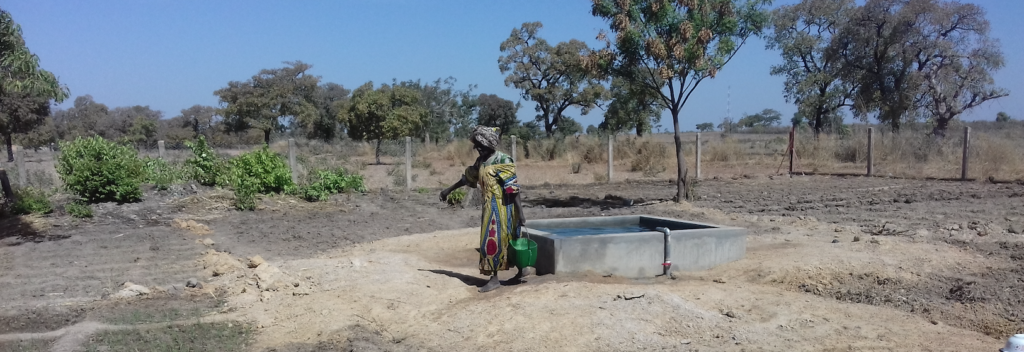
Join For Water’s activities in Mali are located in three municipalities: Baguinéda-Camp, Mandé and Mountougoula, near the capital Bamako in the upper catchment of the Niger. Baguineda and Mandé border the river Niger, Mountougoula is located on a plain with three rivers that partly dry up in the dry season. The municipalities are still rural, […]
Read More…
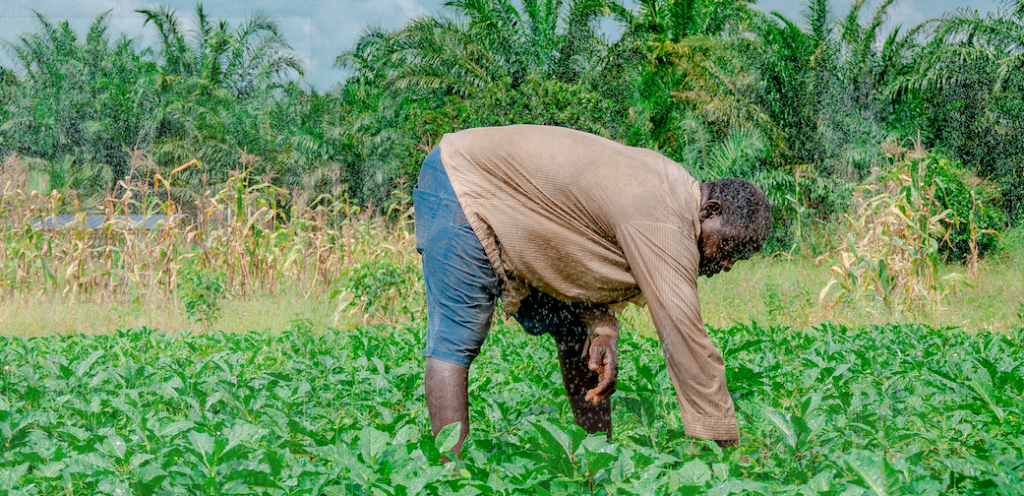
In the south of Benin we work in the plains along the Mono and Ouémé rivers. The farmers mainly grow rice, maize, manioc and vegetables. Primarily for themselves, but also to sell in nearby large cities such as Cotonou and Lomé. In the dry season, the ideal time for cultivation, the farmers are reliant on […]
Read More…
In the summer period, the levels of ground and surface water in Flanders are often too low. Although it seems to rain a lot, the region is experiencing huge water stress, which means that the demand for water is exceeding capacity. There are more and more people, the production of food, among other things, requires a lot […]
Read More…

