Donate
close

From data to dialogue: how storytelling brings water research back to communities

September 8, 2026

A story can help people understand why it matters. (c) Vanessa Thompson

What happens when research leaves the report and reaches the people who need it most? In Uganda’s Aswa catchment, Join For Water and InfoNile are turning environmental research and data into stories that communities can understand, discuss and act upon.

Research can tell us a great deal about the pressures facing our water resources. But data alone does not always reach the people living with those challenges every day.

That is why Join For Water and InfoNile are exploring how journalism, photography and storytelling can help bridge the gap between research and lived experience.

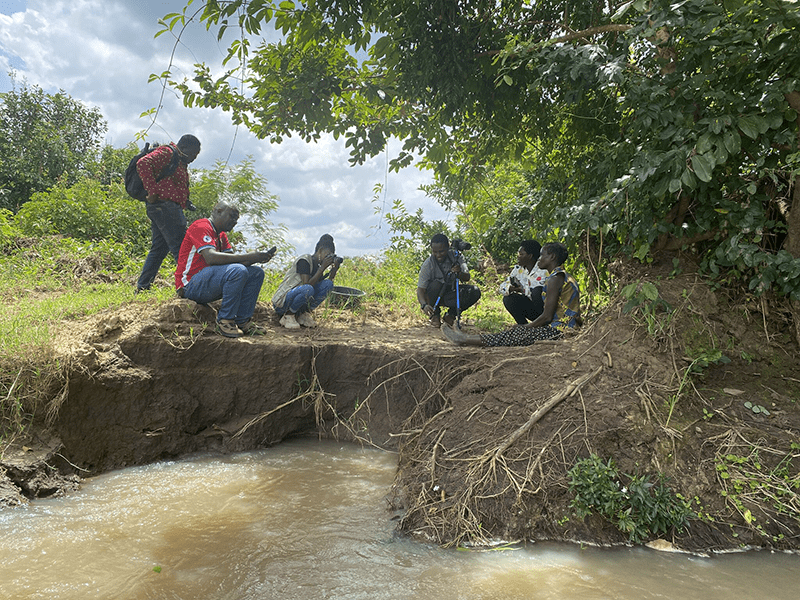
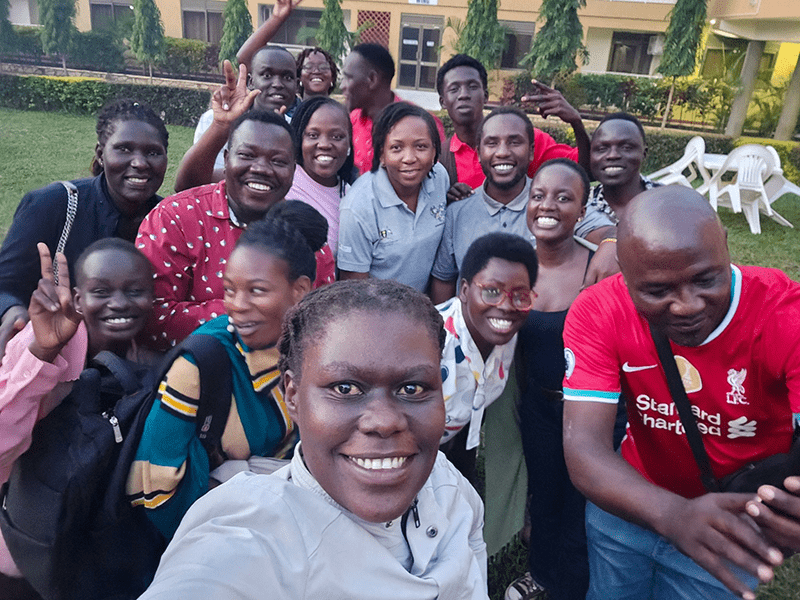
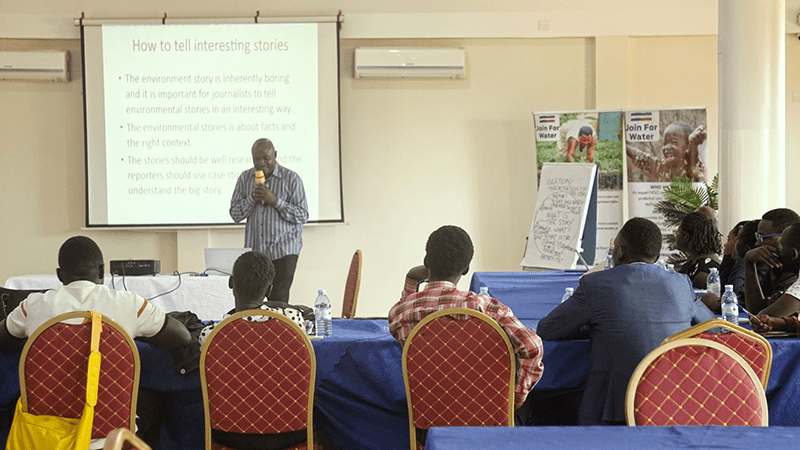
Their cooperation began in 2025 with a training in Lira, Uganda, bringing together young professionals, journalists and environmental practitioners. Participants learned how to turn environmental research into accessible stories and data visualisations, and how photography can capture both the context and the human impact behind the numbers.

The aim was not simply to communicate research better. It was to make knowledge more accessible and useful to communities, decision-makers and other stakeholders.


Learning to tell the story behind the data

For Daniel Oguti, an Environmental Science Technology and Management student at Kyambogo University and an intern with Join For Water, the experience changed the way he looked at communication.

“I learned how storytelling can be a powerful tool in highlighting community challenges, exposing environmental injustices, and inspiring action.”

The training combined practical communication skills with a central principle: good environmental storytelling needs both evidence and people.

Participants explored how to translate data into accessible visualisations, use photography to capture context and emotion, and apply journalistic techniques to bring community realities into wider conversations.

Ambrose Okwanga, a journalist at Radio Unity in Lira, particularly valued the role of photography:

“Good images are not just supplementary, but can often speak louder than words in communicating project outcomes and conservation messages.”
Stories from the Aswa catchment

The training soon resulted in stories from the field.

In 2025, journalists from Lira who had been trained and mentored by the InfoNile team produced a series of stories in partnership with Join For Water. They investigated some of the pressures affecting the Aswa catchment, including sand mining, wetland degradation and population pressure, as well as the challenges faced by women whose livelihoods depend on degraded ecosystems.

Their reporting combined local voices with findings from research carried out by Join For Water.

A 2024 scoping study on water resources management needs and opportunities in the Aswa I and II sub-catchments in Lira District found severe degradation of water resources and ecosystems. The study linked these pressures to several factors, including population growth, poverty, deforestation, agriculture and weak enforcement of conservation measures.

The journalists gave these findings a human dimension, connecting environmental data with the experiences of people living in the catchment.

But the stories did not end online or in newspapers.


Bringing the stories home

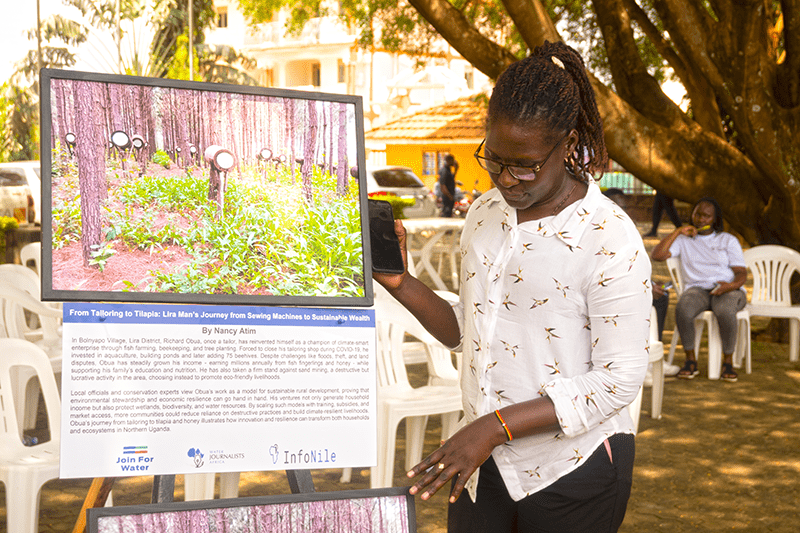
Since the training, the photographs and stories have travelled back to communities and other stakeholders through a series of exhibitions and dialogues.

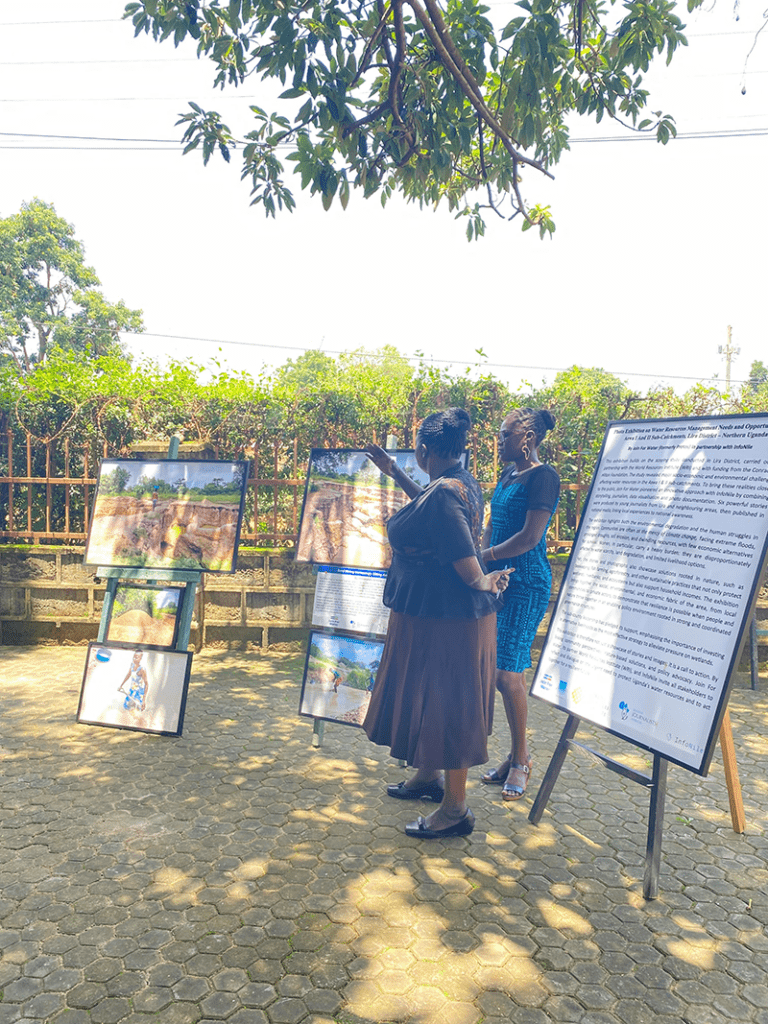
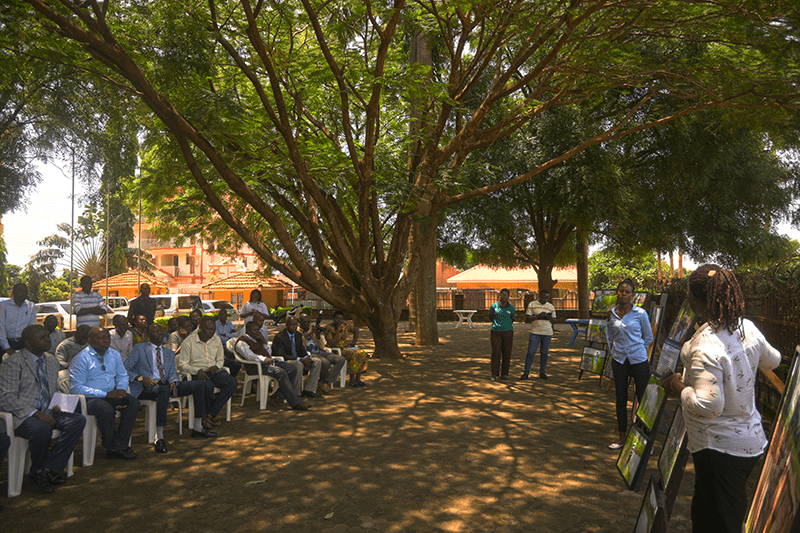
Photo exhibitions in Lira created spaces where people could see realities from their own environment reflected back to them — and discuss what could be done about them.

The stories also reached wider civil society and policy discussions. They were presented at the 15th Annual WASH Civil Society Organizations forum and the 2nd Wetlands National Dialogue.

In June 2026, the photographs travelled to Alliance Française Kampala, where they became part of a mini-dialogue on wetlands, culture and sustainable development. Young people, policymakers, cultural actors, civil society organisations and environmental practitioners came together around the images and the issues they represented.

This journey — from research to journalism, from stories to exhibitions, and from exhibitions to dialogue — is at the heart of the partnership.


Making knowledge useful

For Join For Water, research does not end when a report is published. Knowledge reaches its full potential when it can circulate, be understood and contribute to decisions.

InfoNile supports this process through journalism training, mentorship and story grants, strengthening journalists’ capacity to report on water, biodiversity, climate and other environmental issues.

In the Aswa catchment, this approach is helping to build a bridge between technical knowledge and lived experience.

A study can tell us what is happening.

A story can help people understand why it matters.

And dialogue can help turn that understanding into action.

Together, Join For Water and InfoNile continue to explore how knowledge can move beyond reports and databases and reach the people, places and decision-making spaces where it can make a difference.

The training sessions and fieldwork