New project in Northern Uganda
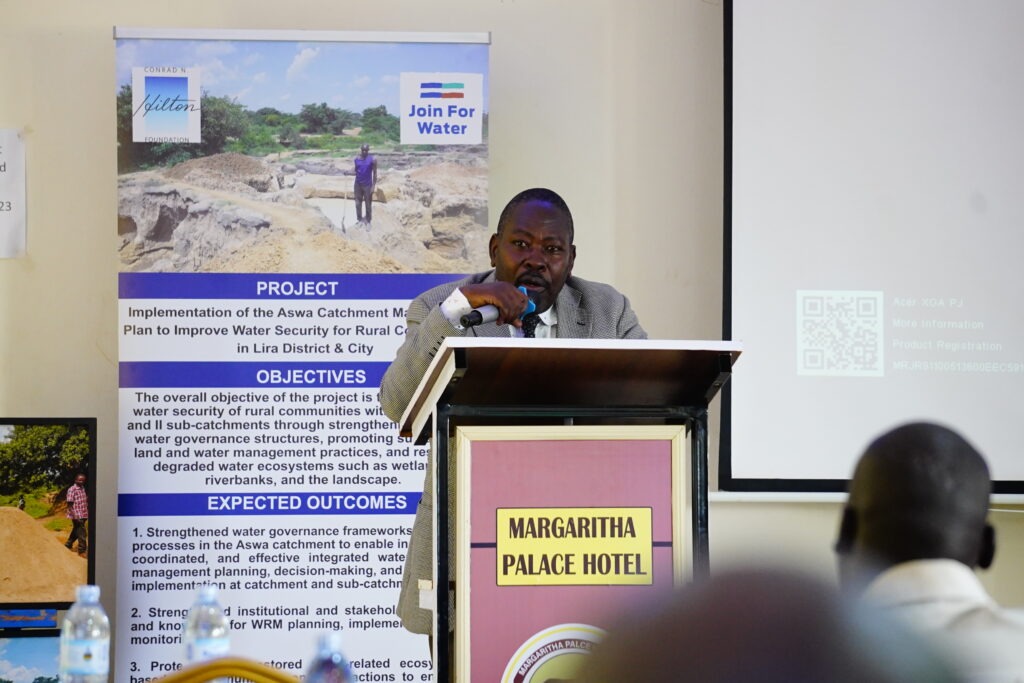
Building on its experience protecting and restoring urban wetlands in Fort Portal City, Join For Water is excited to announce a new project in Northern Uganda, funded by the Conrad N. Hilton Foundation.
As the Fort Portal wetlands project approaches its conclusion in October 2026, the new initiative will apply and build on lessons from this work to address growing water insecurity across the Aswa I and II sub-catchments, Lira City and Lira District.
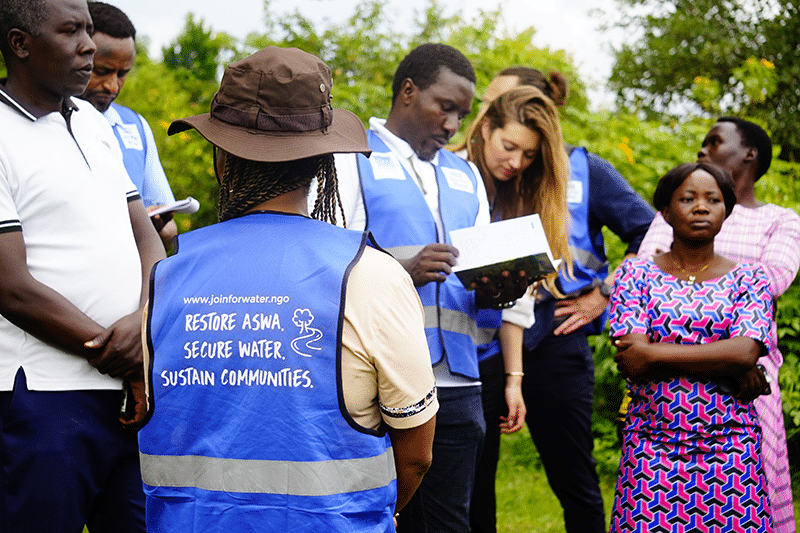
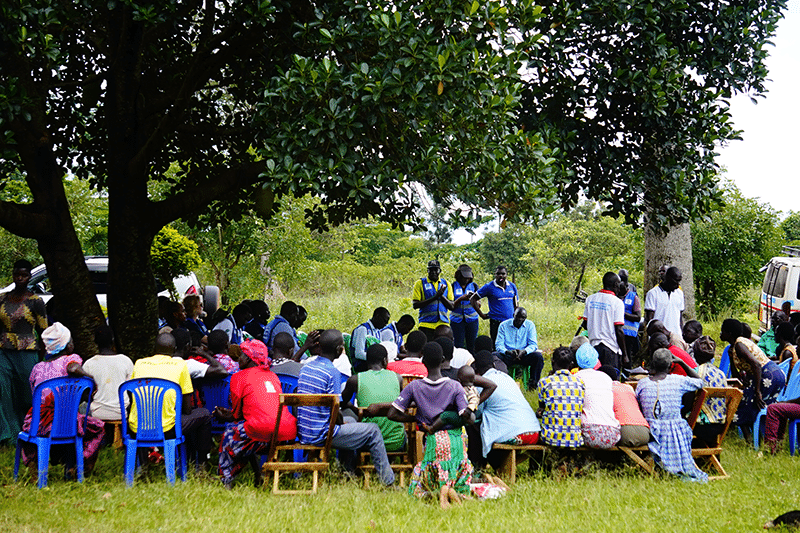
The new project takes an integrated sub-catchment approach, bringing together ecosystem restoration, water resource protection, climate resilience and stronger local water governance. By learning from one landscape (western Uganda) and applying that experience in another, Join For Water and its partners aim to strengthen locally led solutions that protect freshwater ecosystems while improving access to sustainable water resources and building resilient communities.
Northern Uganda’s growing water challenge
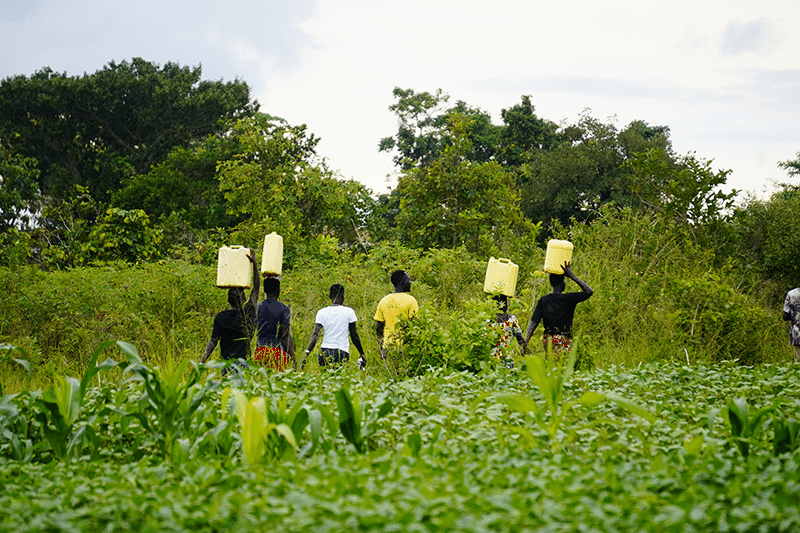
The Aswa I and II sub-catchments are facing increasing pressure on their water resources. Environmental degradation, climate change, rapid urbanisation and weak water governance are contributing to growing water insecurity across the region.
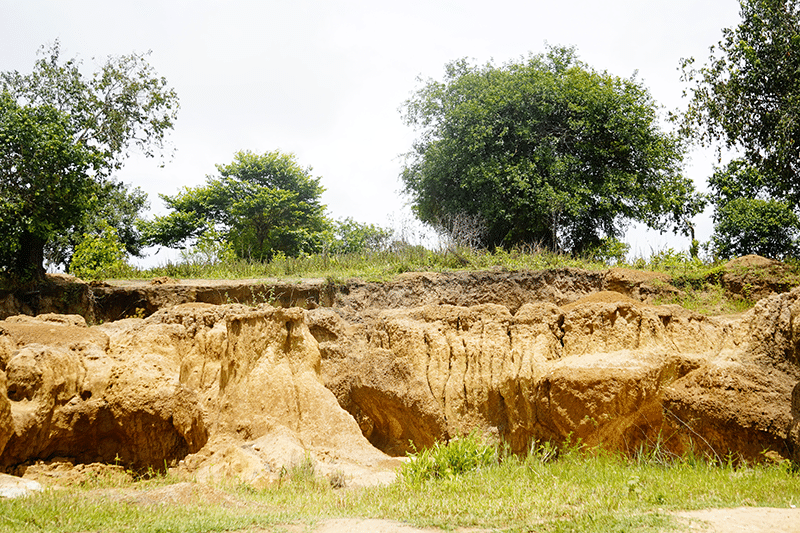
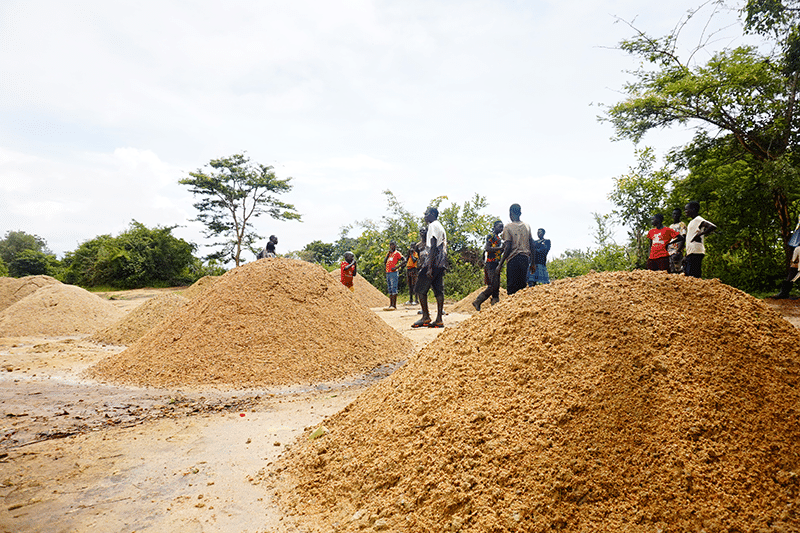
Between 2014 and 2024, expansion of farmland and settlements significantly reduced natural vegetation and degraded wetlands. Today, an estimated 56.7% of wetlands in the project area are degraded,( source: Scoping study Water Resources Management Needs and Opportunities in the Aswa I and II Sub-Catchments 2024).largely due to conversion for small-scale agriculture.
The loss of these vital ecosystems is contributing to more frequent flooding, declining water quality, unreliable rural water supplies and increased exposure to drought. At the same time, rapid population growth and urban expansion in and around Lira City are placing additional pressure on wetlands and other freshwater resources.
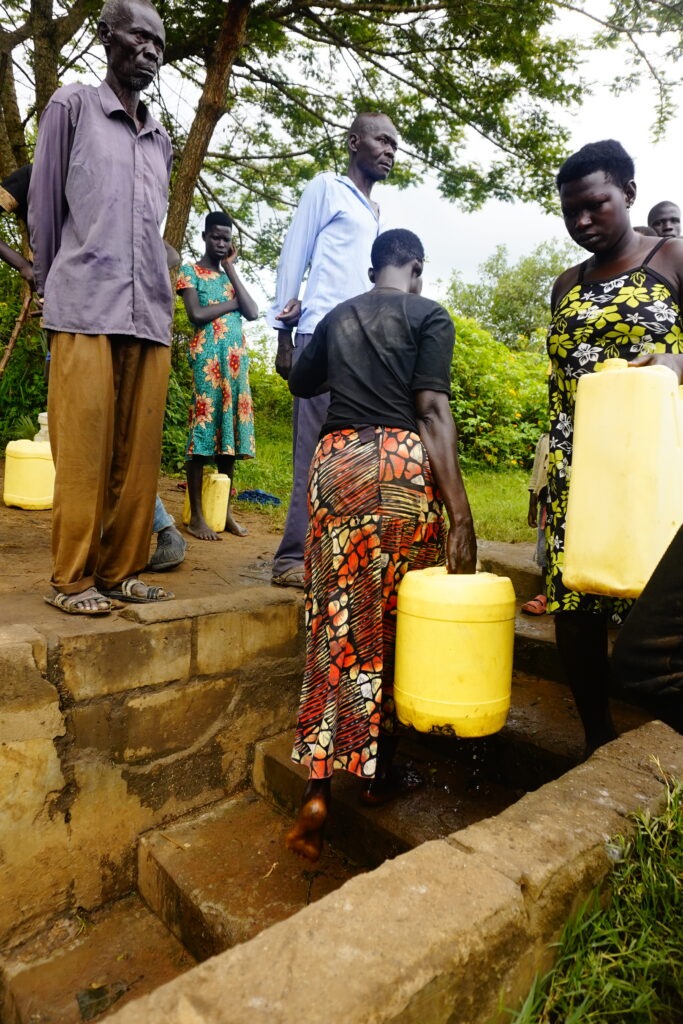
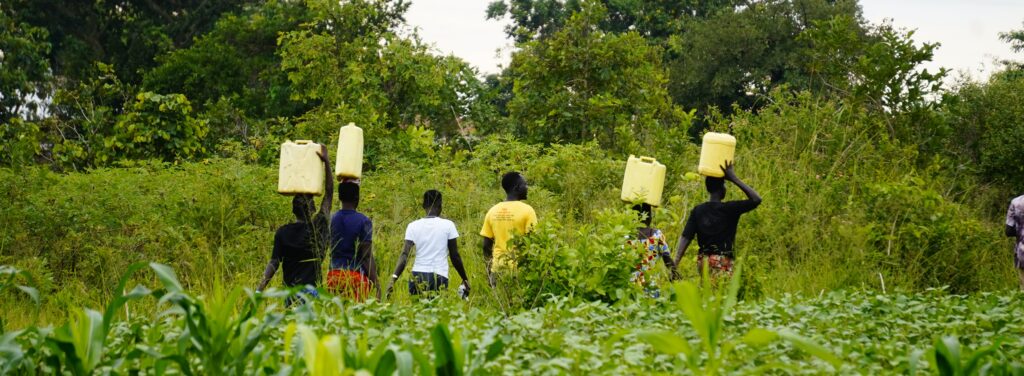
For many communities, particularly vulnerable rural households, this translates into unreliable access to safe water, frequent water system failures, increased risks of waterborne diseases and growing competition over scarce water resources.