Sustainable water management requires more than infrastructure and technology. It also requires people with the knowledge, skills and networks to carry solutions forward. That is why Join For Water invests in young water ambassadors: young people who are already helping address the water challenges of tomorrow.
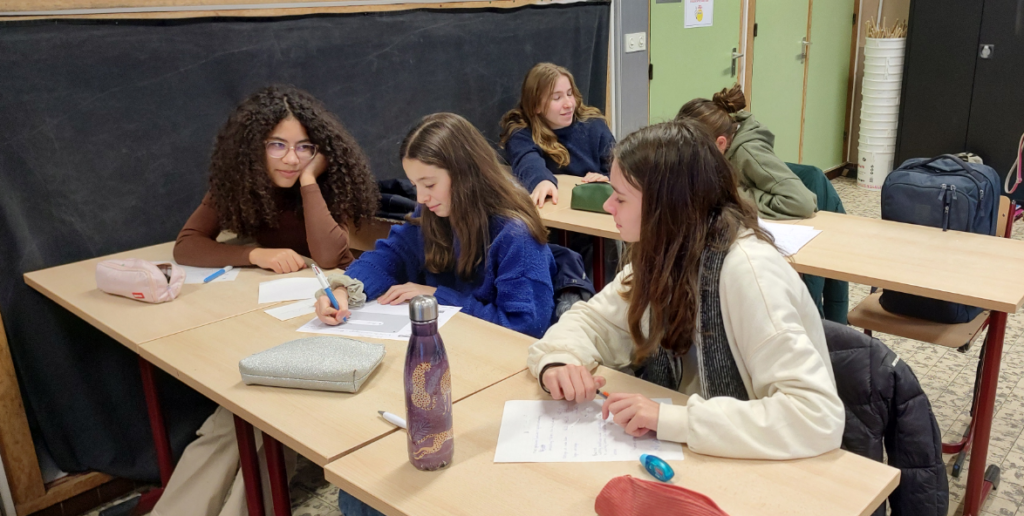
From school-based WASH clubs in Uganda to youth water parliaments in Benin and student initiatives in Belgium and Ecuador, across Join For Water’s programmes we see young people taking an active role in water, sanitation and healthy ecosystems.
These experiences form the basis of a broader ambition. We want to do more than inform young people about water challenges. We want to equip them with the skills and opportunities to take action themselves, reach others and make their voices heard.
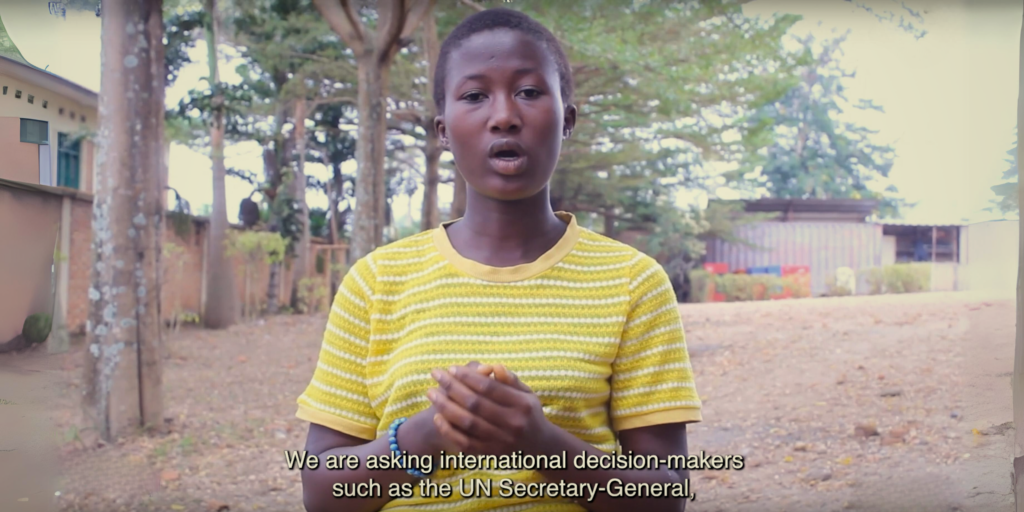
This matters because the decisions we make today about water and climate will affect younger generations for decades to come. Yet their perspectives are still not sufficiently represented in many decision-making processes.
From knowledge to action
A first step is giving young people the knowledge and skills they need to take action themselves.
This happens in different ways. Through research, training, campaigns and practical activities, young people deepen their understanding of water and ecosystems and learn how to apply that knowledge in their own communities.
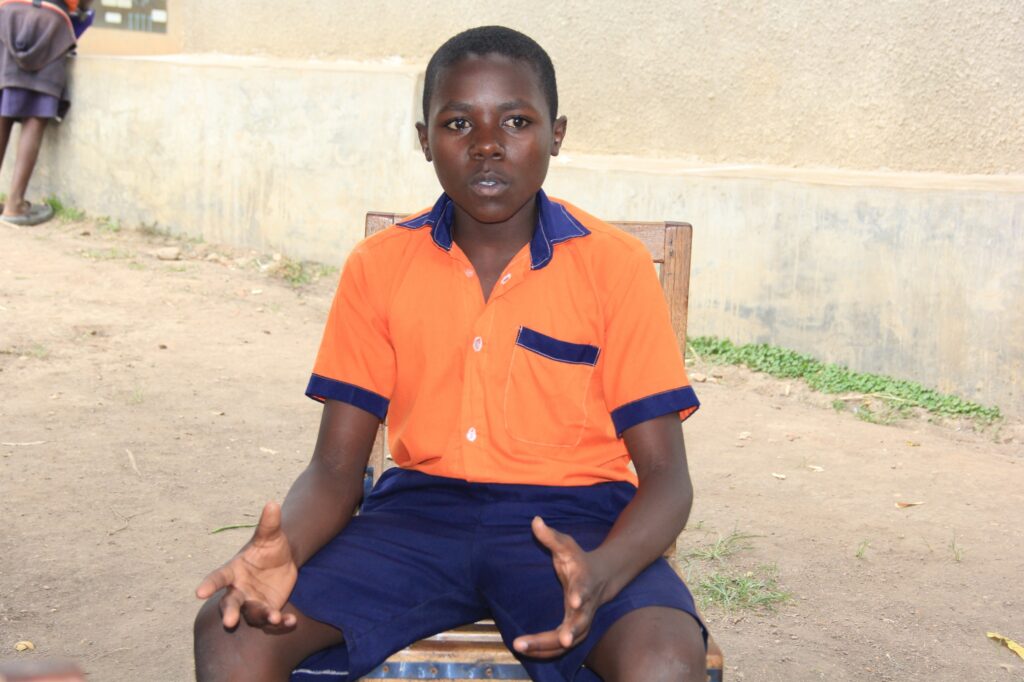
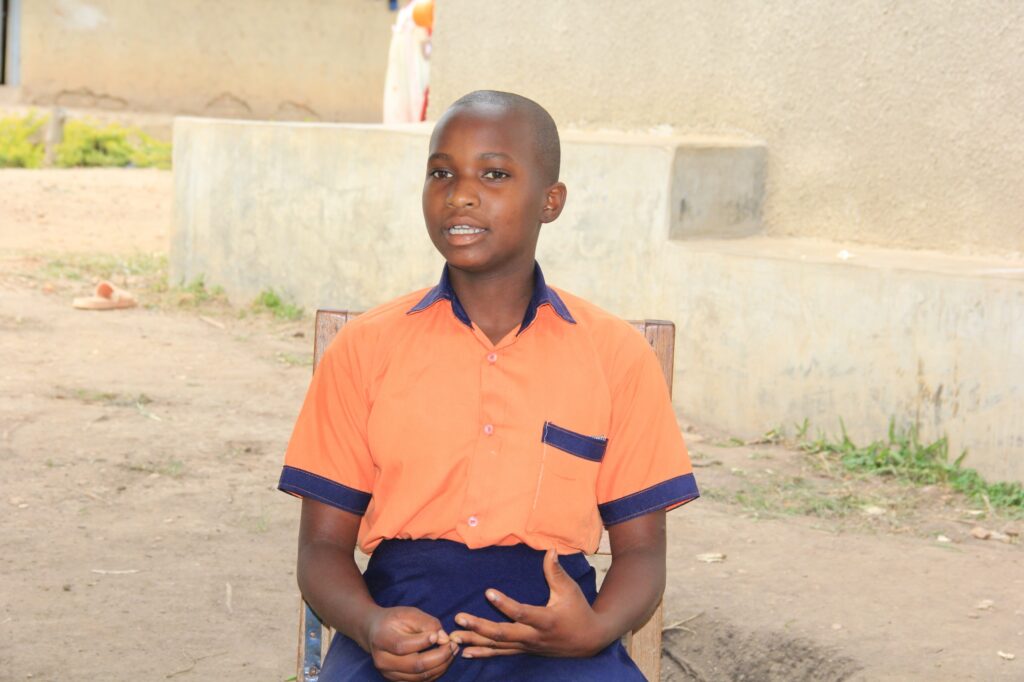
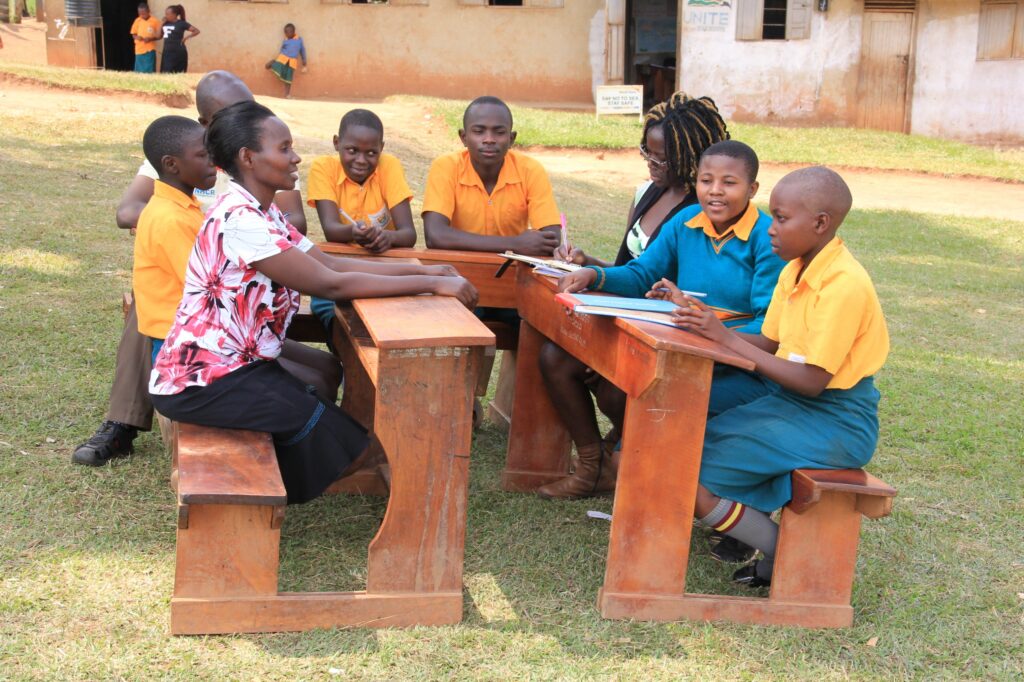
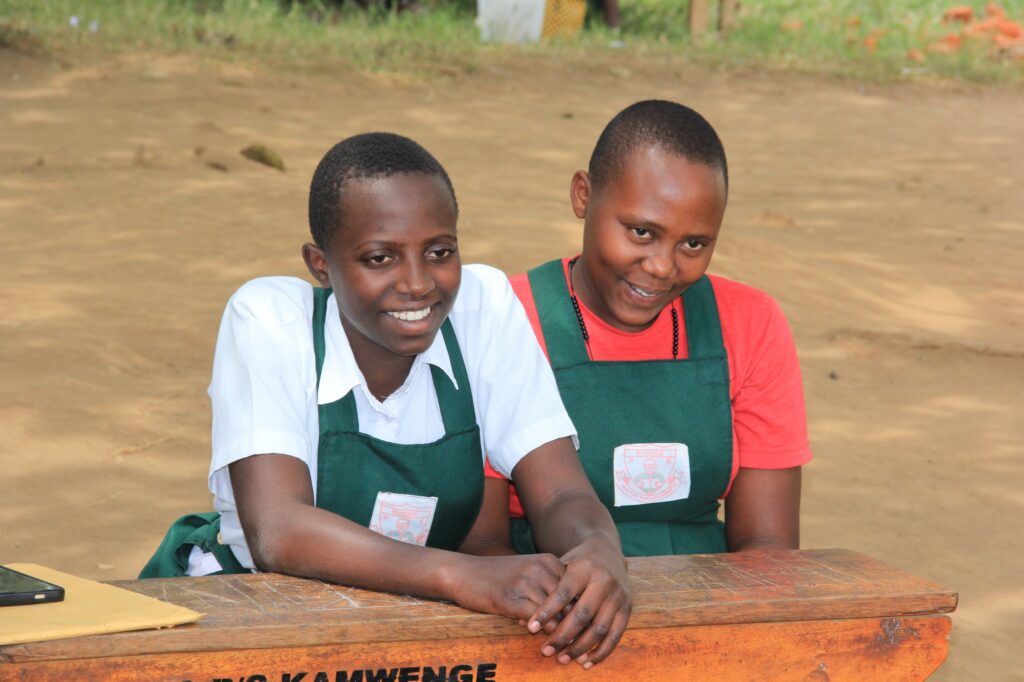
In several partner countries, school-based WASH and environmental clubs show what this can look like in practice. Pupils take part in activities related to environmental protection, waste management and hygiene. They receive practical training on topics such as handwashing, soap making and reusable sanitary pads.
In Uganda, for example, pupils are putting these skills into practice and becoming ambassadors within their schools and communities. Read their stories and experiences >>
What they learn does not necessarily remain within the school walls. Young people pass their knowledge on to peers, families and others in their communities.
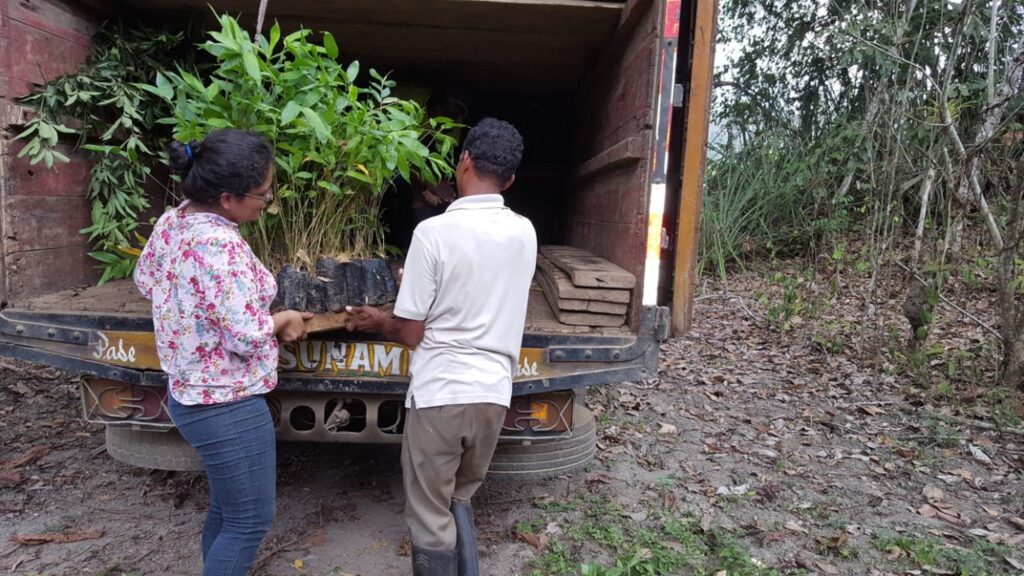
In Ecuador and Peru, we also build on our experience with the Binational Water Schools, where young people learn about watershed protection and sustainable water management through practical activities.
Connecting young people across borders
Water challenges do not stop at national borders. Young people in different countries may face very different circumstances, but they can also learn a great deal from one another.
That is why Join For Water wants to invest more strongly in exchange in the coming years. We are planning a collaboration between young people in Belgium and the Youth Water Parliament in Benin. Through online exchanges, they will compare the water realities in their respective contexts and formulate recommendations for local authorities.
We also want to connect students and young professionals interested in water management, climate adaptation and environmental education through internships, study visits and exchange programmes.
In this way, we build not only new competencies, but also international networks through which knowledge and experience can circulate.
Shared knowledge, shared stories
Knowledge becomes more valuable when it is shared. Communication is therefore an important part of our approach to working with young people.
Through video, podcasts, photography, exhibitions and social media, young people can share their experiences, make water challenges visible and draw attention to solutions.
We are building on existing experiences, such as our collaboration with InfoNile in Uganda. There, young professionals and journalists learned how to translate research and data about the Aswa catchment into accessible stories and images. Those images and stories were shared as an entry point to start the discussion in the symposium with politicians and stakeholders.
In the coming years, we want to further support young people from different countries in creating their own digital stories and connecting them across borders through international campaigns and exchanges.